
 Henry· DI autorius, peržiūrėjo žmogus
AI vaizdo pasakojimo platformos: kaip serializuotas turinys keičia viską 2026 m.
Nuo pavienių klipų iki ištisų serialų, AI vaizdo įrašai iš generavimo įrankio virsta pasakojimo varikliu. Susipažinkite su platformomis, kurios tai įgyvendina.
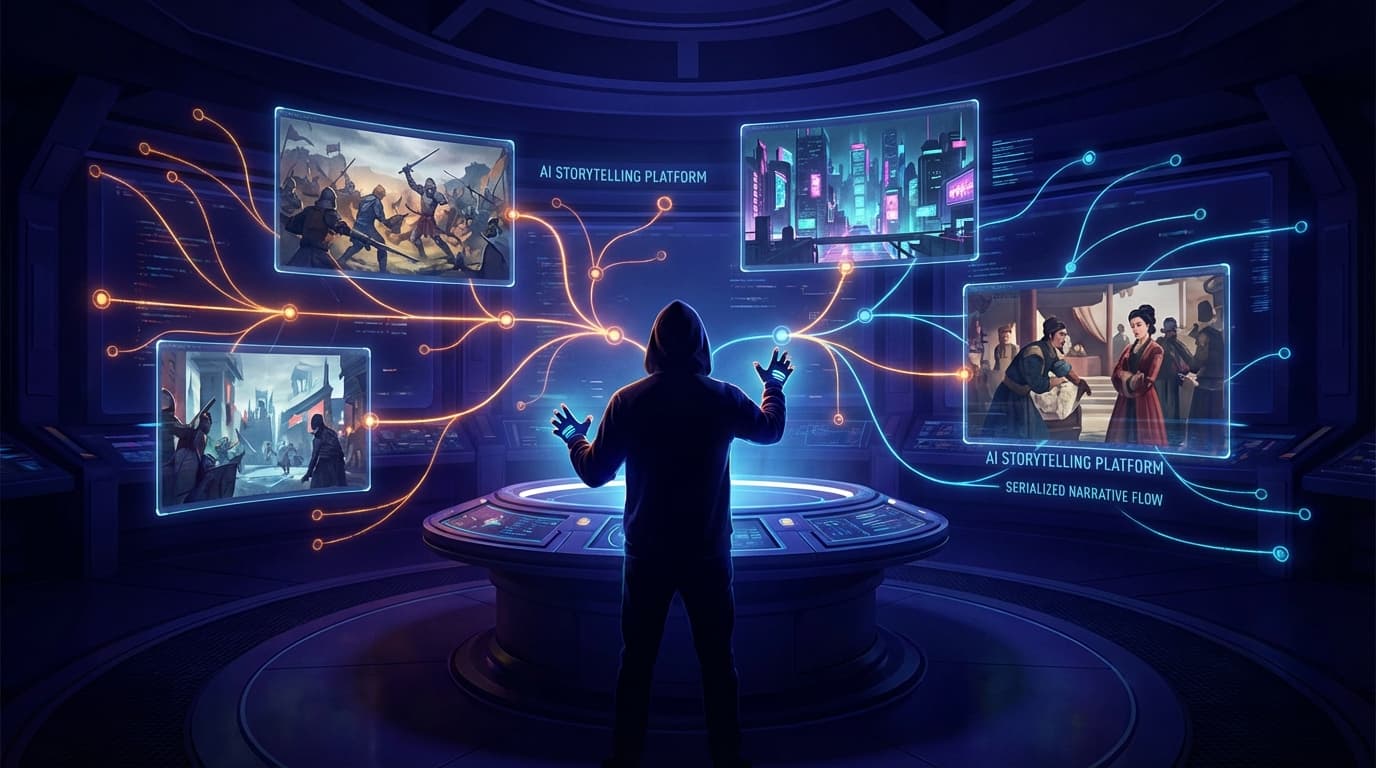
2025 m. mokėmės generuoti 10 sekundžių klipus. 2026 m. mokomės pasakoti istorijas.
Pokytis įvyko tyliai. Kol visi diskutavo, kuris modelis turi geresnę fiziką ar ryškesnę raišką, kelios komandos uždavė kitą klausimą: o kas, jei AI vaizdo įrašai būtų ne vien apie generavimą, bet ir apie pasakojimą?
Atsakymas keičia mūsų požiūrį į turinio kūrimą.
Nuo klipų prie tęstinumo
„Tęstinumo krizė“ kamavo AI vaizdo įrašus 2024-2025 m. Veikėjai keisdavosi tarp scenų ir sugriaudavo vientisos istorijos iliuziją.
Pagrindinę problemą buvo paprasta įvardyti, bet sunku išspręsti. AI vaizdo įrašai puikiai kuria įspūdingus pavienius momentus. Tačiau istorijoms reikia nuoseklumo: tas pats veikėjas turi būti atpažįstamas dešimtyse scenų ir išlaikyti savo tapatybę keičiantis aplinkai bei apšvietimui.
OpenAI tai išsprendė su savo „Character Cameo“ sistema. Įkelkite vieną referencinį vaizdą, ir Sora 2 išlaikys tą veikėją beveik nepriekaištingai nuoseklų visoje produkcijoje. Tai įmanoma dėl pažangaus tapatybės įterpimo.
Tačiau vien technologijos nepakako. Kūrėjams reikėjo naujo tipo platformos.
Pasakojimo variklių iškilimas
2026 m. pradžioje pasirodė trys platformos su radikaliu pasiūlymu: nustokite laikyti AI vaizdo įrašus generavimo įrankiu. Pradėkite juos laikyti pasakojimo varikliu.
Story67.ai: bendruomenės kuriamas pasakojimas
Sausio pabaigoje Streann Media pristatė Story67.ai su ambicinga vizija. Platforma sukurta naudojant Google Cloud infrastruktūrą ir Vertex AI orkestravimą, joje pasakojimų plėtrai integruota OpenAI, o vizualinei sintezei - Runway.
Story67.ai įdomi dėl savo nuo modelių nepriklausomos architektūros. Užuot pririšusi kūrėjus prie vieno tiekėjo, ji leidžia komandoms įtraukti naujus generatyvinius modelius, kai jie tampa tinkami produkcijai. Tekstas, vaizdas, vaizdo įrašai, garsas, visa tai teka per vieningą kūrybinę aplinką.
Platforma sukurta ten, kur auditorija iš tiesų vartoja turinį: socialinėse platformose, mobiliosiose patirtyse ir prijungtoje televizijoje. Vertikalūs formatai ir serializuoti pasakojimai nėra antraeiliai dalykai, tai pagrindiniai dizaino principai.
GIBO Create: industrializuota produkcija
Jei Story67.ai skirta nepriklausomiems kūrėjams, GIBO Create orientuota į mastą. Platforma optimizuota 1-3 minučių epizodiniams formatams dramos, romantikos, įtampos ir serializuoto pasakojimo žanruose.
Industrializuotos darbo eigos didelės apimties produkcijai. Optimizavimas pagal žanrą. Greita trumpų formatų turinio iteracija.
Mažiau lanksti eksperimentiniam ar ne žanriniam turiniui. Dėmesys trumpam, o ne ilgam pasakojimui.
Įsivaizduokite ją kaip AI generuojamų serialų surinkimo liniją. Žmonių kuriamai produkcijai gali prireikti mėnesių, o GIBO Create gali iteruoti per ištisus sezonus per kelias savaites.
SkyReels: veikėjas kaip pagrindas
SkyReels pasirinko kitą kelią. Užuot kūrę platformą aplink darbo eigas ar platinimą, jie ją kūrė aplink veikėją.
Įkelkite veikėjo vaizdą, ir SkyReels išlaikys jo išvaizdą bei asmenybę per kelias scenas. Veido animacijos sistema palaiko 33 išraiškas ir daugiau nei 400 judesių, todėl veikėjai atrodo gyvi, o ne sugeneruoti.
AI Drama Tool tiesiai iš scenarijų kuria siužetines lentas ir scenas, pasakojimo struktūrą laikydamas esminiu elementu, o ne pasirenkamu priedu.
Kodėl tai svarbu kūrėjams
Laimės ne platformos su geriausiu generavimu. Laimės tos, kurios geriausiai supranta istoriją.
Kas mane jaudina šiame pokytyje? Dešimtmečius serializuotam turiniui reikėjo milžiniškų išteklių: scenaristų kambarių, produkcijos komandų, platinimo sandorių. Įėjimo barjeras buvo pernelyg aukštas.
Šios platformos mažina tą barjerą, nemažindamos ambicijų. Vienas kūrėjas dabar gali mąstyti serialų, sezonų ir siužeto arkų kategorijomis. Tai keičia viską, kokios istorijos bus papasakotos.
Pažvelkite į skaičius. Tradicinė TV produkcija kainuoja nuo $500K iki $5M už seriją. Net mažo biudžeto internetiniai serialai kainuoja dešimtis tūkstančių už vieną dalį. AI pasakojimo platformos šias išlaidas sumažina keliais dydžio laipsniais.
Generavimo era
Pavieniai klipai, 10 sekundžių ribos, jokio nuoseklumo
Plėtimo era
Ilgesni vaizdo įrašai, geresnė kokybė, ankstyvas darbas su veikėjais
Pasakojimo era
Pilnos platformos serializuotam pasakojimui
Techninis pagrindas
AI pasakojimą įgalina ne vienas konkretus proveržis, o kelių technologijų susiliejimas: tapatybės įterpimai veikėjų nuoseklumui, pasaulio modeliai scenų vientisumui ir vietinis garso generavimas sinchronizuotam garsui.
Šios platformos remiasi tokiais darbais kaip difuzijos transformatoriai ir pasaulio modeliai. Generavimo kokybė svarbi, tačiau dabar tai jau būtina bazė. Skirtumą lemia tai, kaip gerai platforma supranta pasakojimą.
LTX Studio tai daro įmonių klientams, išlaikydama nuoseklumą tarp scenų ir veikėjų profesionaliose produkcijose. Story67.ai ir panašios platformos suteikia tokias galimybes nepriklausomiems kūrėjams.
Norėdami giliau suprasti, kaip evoliucionavo generavimo technologija, peržiūrėkite mūsų Sora 2, Runway ir Veo 3 palyginimą.
Kas laukia toliau
Kūrimas, atsižvelgiant į platinimą
Platformos kuriamos ten, kur auditorija iš tiesų žiūri: socialiniuose tinkluose, mobiliuosiuose įrenginiuose ir prijungtoje televizijoje.
Iteratyvus pasakojimas
AI leidžia greitai eksperimentuoti su pasakojimais, išbandant, kas sulaukia atgarsio, prieš įsipareigojant pilnai produkcijai.
Bendruomenės bendradarbiavimas
Bendri pasauliai, bendradarbiaujant kuriami veikėjai ir bendruomenės vedamas istorijų vystymas.
Įdomiausi pokyčiai kils ne iš pačių platformų, o iš kūrėjų, kurie jomis naudojasi. Kai serializuoto turinio barjeras taip smarkiai sumažėja, išvysime pasakojimo formatus, kurių dar net negalime įsivaizduoti.
Keletas prognozių ateinantiems metams:
- Mikroserialų sprogimas: 1-3 minučių serijos, sukurtos vartojimui mobiliajame įrenginyje, taps dominuojančiu formatu.
- Interaktyvus šakojimasis: AI leidžia ekonomiškai kurti kelis pasakojimo kelius, suteikiant auditorijai galimybę pasirinkti savo istoriją.
- Veikėjas kaip paslauga: Tikėkitės platformų, kuriose galėsite licencijuoti AI veikėjus savo produkcijoms.
Kūrybinis klausimas
Technologija parengta. Dabar klausimas, ar turime istorijų, kurias verta pasakoti.
Dalis manęs nerimauja dėl vidutiniškų AI sukurtų serialų antplūdžio. Daugiau turinio nereiškia geresnio turinio.
Tačiau kita dalis mato potencialą. Istorijos, kurioms tradiciniai sprendimų priėmėjai niekada neduotų žalios šviesos. Balsai, kurie niekada neprasiskverbtų per įprastus produkcijos procesus. Pasakojimai, pernelyg nišiniai, pernelyg keisti ar pernelyg asmeniški masinei rinkai.
Dabar šios istorijos turi kelią į egzistavimą.
Platformos kuria infrastruktūrą. Modeliai suteikia galimybes. Kas vyks toliau, priklauso nuo kūrėjų, kurie jais naudojasi.
Ir būtent tai, labiau nei bet kuris techninis rodiklis, daro šį momentą jaudinantį.
Susijęs skaitymas: Daugiau apie AI vaizdo įrašų įrankių raidą rasite mūsų giduose apie AI vaizdo įrašų pratęsimą ir veikėjų nuoseklumą.
Šaltiniai
- Streann Media per GlobeNewswire: Story67.ai naudoja kelių tiekėjų AI rinkinį ir palaiko vertikalius, serializuotus, epizodinius formatus… (Streann Media per GlobeNewswire)
- TheWrap: didesnio biudžeto nesurežisuota televizija gali kainuoti maždaug $500,000 už seriją (TheWrap)
- Variety: The Pitt buvo kuriamas už maždaug $5 million už seriją (Variety)

Kūrybinių technologijų specialistas iš Lozanos, tyrinėjantis DI ir meno susitikimo vietą. Tarp elektroninės muzikos sesijų eksperimentuoja su generatyviniais modeliais.
View profile →Patiko tai, ką perskaitėte?
Paverskite savo idėjas neribotos trukmės DI vaizdo įrašais per kelias minutes.
Susiję straipsniai
Tęskite pažintį su šiais susijusiais įrašais
Geriausi nemokami teksto į vaizdo įrašą AI įrankiai: 2026 m. vadovas
Palyginkite geriausius nemokamus teksto į vaizdo įrašą AI įrankius 2026 m., įskaitant tikrus kreditų limitus, vandens ženklus, vietinio diegimo kompromisus ir praktinį testavimo planą.
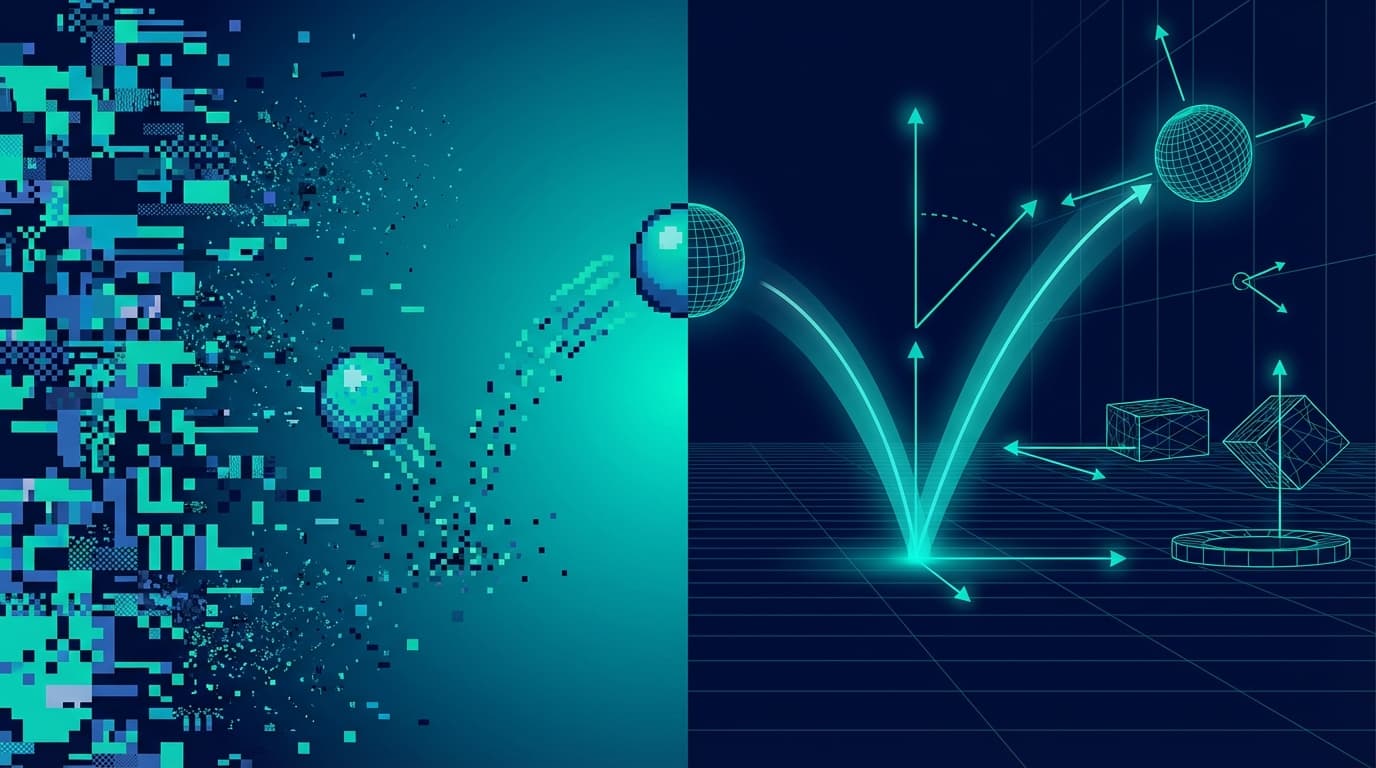
AI vaizdo įrašų pasaulio modelių revoliucija: kaip fizikos simuliacija 2026 m. keičia pikselių generavimą
Nuo pikselių spėliojimo iki fizikos simuliavimo, pasaulio modeliai iš esmės keičia, kaip AI kuria vaizdo įrašus. Štai kodėl tai svarbu kūrėjams.
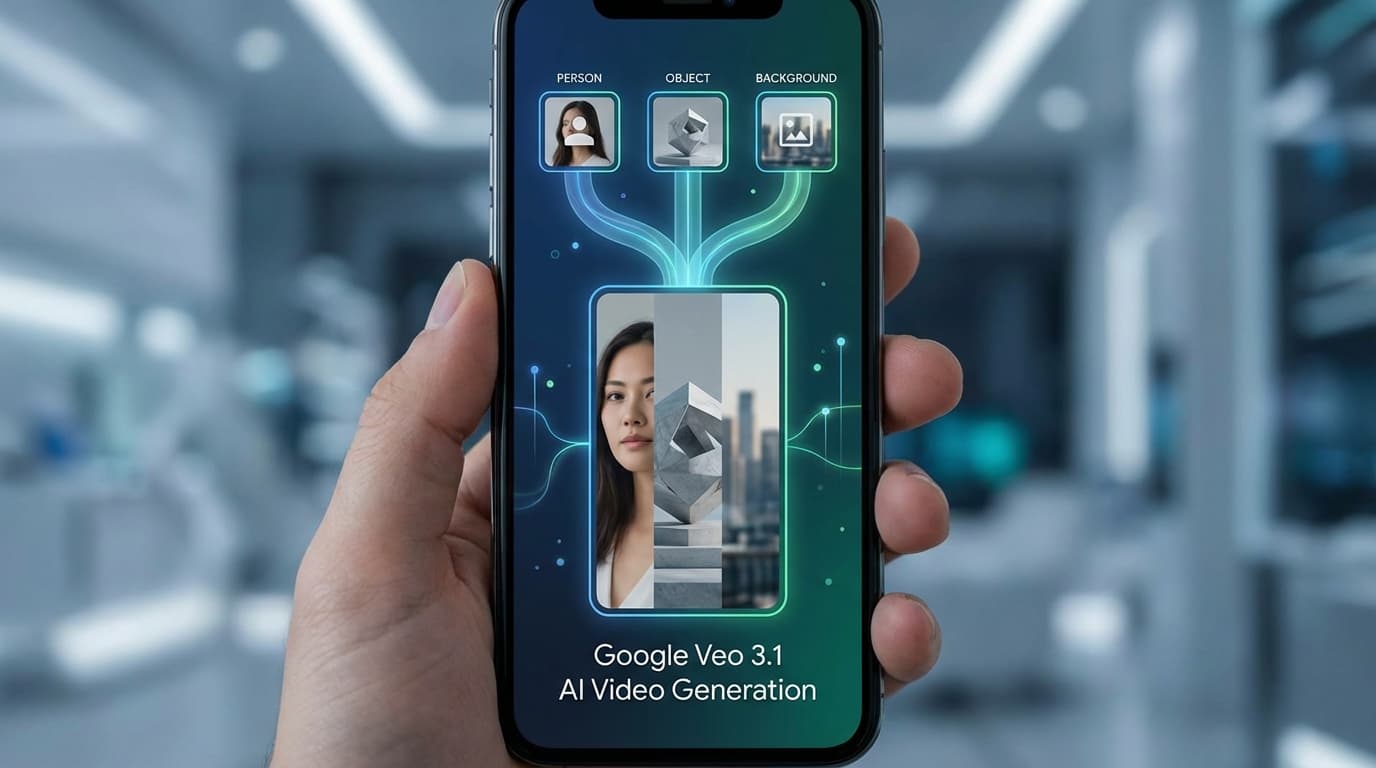
Veo 3.1 Ingredients to Video: išsamus vaizdų pavertimo vaizdo įrašais vadovas
Google pristato Ingredients to Video tiesiai į YouTube Shorts ir YouTube Create, leisdama kūrėjams paversti iki trijų vaizdų vientisais vertikaliais vaizdo įrašais su integruotu 4K didinimu.