
 Damien· DI autorius, peržiūrėjo žmogus
NVIDIA CES 2026: Pagaliau pasiekiamas vartotojams skirtas 4K AI vaizdo įrašų generavimas
NVIDIA CES 2026 pristato RTX paremtą 4K AI vaizdo įrašų generavimą, suteikdama profesionalaus lygio galimybes vartotojų GPU su 3x greitesniu atvaizdavimu ir 60% mažesniu VRAM naudojimu.
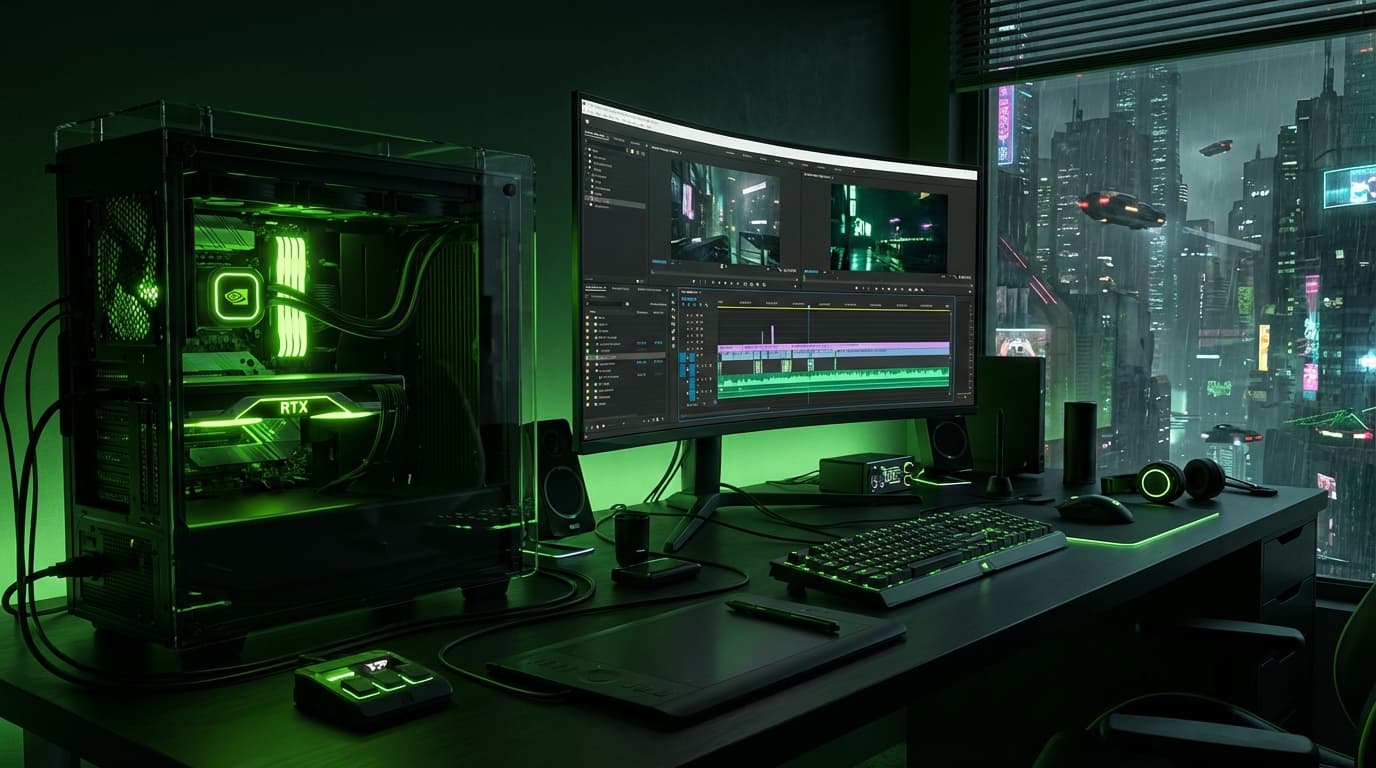
CES 2026 parodoje NVIDIA ne tik pristatė greitesnes vaizdo plokštes. Ji paskelbė apie tik debesijos paslaugoms skirto AI vaizdo įrašų generavimo pabaigą. Kūrėjams, pavargusiems nuo prenumeratos mokesčių ir įkėlimo eilių, tai keičia viską.
Aparatinės įrangos demokratizavimo momentas
Pastaruosius dvejus metus aukštos kokybės AI vaizdo įrašų generavimas reiškė vieną dalyką: debesijos paslaugas. Nesvarbu, ar naudojote Sora, Runway, ar Veo 3, jūsų užklausos keliaudavo į tolimus duomenų centrus, vaizdo įrašai būdavo atvaizduojami įmonių klasės aparatinėje įrangoje, o piniginė jausdavo mėnesinės prenumeratos naštą.
NVIDIA CES 2026 pranešimas apverčia šį modelį. Naujoji RTX AI Video pipeline leidžia natūralų 4K generavimą vartotojų GPU, o svarbiausi yra trys skaičiai:
Tai nėra laipsniški patobulinimai. Jie žymi esminį pokytį, kur vyksta AI vaizdo įrašų kūrimas.
Kas pasikeitė viduje
Techninį proveržį lėmė nauja NVIDIA vaizdo įrašų generavimo pipeline, optimizuota Blender integracijai. Ankstesni vartotojams skirti AI vaizdo įrašų sprendimai rėmėsi bendromis difuzijos realizacijomis, kurios vaizdo įrašą traktavo kaip nepriklausomų kadrų seką. NVIDIA metodas vaizdo įrašą vertina kaip vieningą erdvėlaikinę problemą, išnaudodamas RTX architektūrai būdingas tensor core optimizacijas.
60% VRAM sumažinimas yra svarbiausias pokytis. Vaizdo įrašas, kuriam anksčiau reikėjo 24GB VRAM (RTX 4090 lygio), dabar patogiai telpa į 10GB, atverdamas galimybes RTX 4070 ir net RTX 3080 naudotojams.
Blender integracija taip pat išsiskiria. Užuot AI generavimą traktavusi kaip atskirą etapą, NVIDIA jį įtraukė į esamą 3D menininko darbo eigą. Galite Blender programoje apibrėžti scenos kompoziciją, kameros judesius ir apšvietimą, tada leisti AI sugeneruoti galutinį atvaizdį. Tai skirtumas tarp „AI pakeičia jūsų darbo eigą“ ir „AI pagreitina jūsų darbo eigą“.
LTX-2 ir ComfyUI: atvirojo kodo naudos gavėjai
NVIDIA pranešimas neįvyko izoliuotai. Bendrovė konkrečiai pabrėžė suderinamumą su LTX-2, atvirojo kodo modeliu, kuris jau įrodė vartotojų GPU tinkamumą. Dėl NVIDIA optimizacijų LTX-2 dabar generuoja 4K išvestį ten, kur anksčiau su ta pačia aparatine įranga pasiekdavo daugiausia 1080p.
LTX-2 vartotojų GPU buvo ribojamas iki 720p-1080p. 4K reikėjo debesijos apdorojimo arba įmonių klasės aparatinės įrangos. ComfyUI darbo eigos susidurdavo su VRAM ribomis esant didesnei raiškai.
Natūralus 4K generavimas su RTX 4070+. ComfyUI darbo eigos plečiamos iki 4K be pakeitimų. Blender integracija leidžia profesionaliai valdyti sceną.
ComfyUI darbo eigos, vizualinė programavimo sąsaja, tapusi faktiniu vietinio AI generavimo standartu, taip pat gauna tiesioginės naudos. Darbo eigos, kurios anksčiau užstrigdavo ties 4K raiška, dabar veikia sklandžiai dėl NVIDIA tvarkyklių atnaujinimuose įdiegtų atminties optimizacijų.
Menininko kontrolės aspektas
Štai kas patraukė mano dėmesį, neskaitant grynųjų specifikacijų: NVIDIA per visą pristatymą pabrėžė menininko kontrolę. Blender pipeline yra ne tik greitesnė, ji išsaugo jau priimtus kūrybinius sprendimus.
Scenos kompozicija
Apibrėžkite savo kadrus pažįstamoje Blender sąsajoje. Kameros kampai, objektų išdėstymas ir apšvietimo nustatymai perkeliami į AI generavimo etapą.
Stiliaus išsaugojimas
Mokykite stiliaus nuorodas pagal savo esamus darbus. AI atitinka jūsų estetiką, užuot pasirinkęs bendrinį „AI vaizdą“.
Iteracijų greitis
3x greičio pagerėjimas reiškia daugiau iteracijų per sesiją. Nesėkmingos generacijos nebeneatima visos popietės.
Tai svarbu, nes didžiausias nusiskundimas dėl debesijos AI vaizdo įrašų yra ne kaina. Tai kūrybinės kontrolės praradimas. Kai tekstu aprašote kadrą ir kelias minutes laukiate rezultato, kurio negalite pakeisti, nebevadovaujate. Tiesiog tikitės. NVIDIA metodas grąžina režisieriaus kėdę.
Našumo etalonai: ko tikėtis
Pereikime prie konkrečių aparatinės įrangos reikalavimų ir numatomo našumo. Remiantis NVIDIA paskelbtomis optimizacijomis ir bendruomenės etalonais, pateikiami numatomi generavimo laikai:
| GPU | VRAM | 4K generavimo laikas | Rekomenduojamas naudojimas |
|---|---|---|---|
| RTX 4090 | 24GB | ~45 sek./klipas | Profesionali gamyba |
| RTX 4080 | 16GB | ~75 sek./klipas | Entuziastas kūrėjas |
| RTX 4070 Ti | 12GB | ~120 sek./klipas | Nepriklausoma gamyba |
| RTX 4070 | 12GB | ~150 sek./klipas | Pradinis profesionalus lygis |
| RTX 3080 | 10GB | ~200 sek./klipas | Mėgėjas (su išlygomis) |
Šie etalonai numato 5 sekundžių klipus 24fps dažniu. Ilgesnių generacijų laikas didėja tiesiškai. RTX 3080 naudotojams gali tekti sumažinti raišką iki 2K, kad generavimas būtų patikimas.
RTX 4070 išsiskiria kaip geriausios vertės pasirinkimas. Maždaug $600 rinkos kaina ji suteikia 4K generavimo galimybes, kurios dar prieš metus debesijos skaičiavimuose būtų kainavusios tūkstančius per mėnesį.
Ką tai reiškia debesijos paslaugoms
Būkime aiškūs: tai nenužudo debesijos AI vaizdo įrašų paslaugų. Tačiau tai keičia jų vertės pasiūlymą.
Debesijos paslaugos vis dar geriausios šiems atvejams:
- Naudotojams be tinkamos aparatinės įrangos
- Staigiems darbo krūviams, viršijantiems vietinį pajėgumą
- Komandinio bendradarbiavimo funkcijoms
- Integruotam išteklių valdymui
Vietinis generavimas dabar laimi šiais atvejais:
- Didelės apimties kūrėjams, jautriems vieno klipo kainai
- Privatumui jautriems projektams
- Darbo eigoms neprisijungus
- Iteracijoms ir eksperimentams realiuoju laiku
Protingiausias pasirinkimas yra hibridinės darbo eigos. Vietinį generavimą naudokite juodraščiams ir iteracijoms, o debesijos paslaugas galutiniams atvaizdžiams, kai kokybė turi viršyti vietinės aparatinės įrangos ribas.
Atvirojo kodo ekosistema spartėja
NVIDIA pranešimas sukuria kylančios bangos efektą. Kai vartotojų aparatinė įranga tampa pajėgesnė, atvirojo kodo modelių kūrėjai gali siekti aukštesnės kokybės išvesties. Tai jau matome su atvirojo kodo modelių banga, kuri nuosekliai mažina atotrūkį nuo nuosavybinių paslaugų.
Debesijos era
4K AI vaizdo įrašų generavimui reikėjo įmonių GPU arba debesijos paslaugų. Vartotojų aparatinė įranga buvo tinkama tik eksperimentams.
Vietinis 1080p
Atvirojo kodo modeliai, tokie kaip LTX-1 ir ankstyvosios Wan versijos, suteikė tinkamą naudoti 1080p vartotojų GPU.
Vietinis 4K
NVIDIA CES 2026 optimizacijos leidžia natūralų 4K vidutinės klasės vartotojų aparatinėje įrangoje.
Grįžtamasis ryšys yra galingas: geresnė aparatinės įrangos optimizacija lemia geresnius jai skirtus modelius, tai pritraukia daugiau naudotojų, o tai pateisina dar daugiau aparatinės įrangos optimizavimo. NVIDIA turi visas paskatas tęsti šį postūmį, o atvirojo kodo kūrėjai turi visas paskatas tuo pasinaudoti.
Nuo ko pradėti: praktinis kelias
Jei šiandien norite įdiegti vietinį 4K AI vaizdo įrašų generavimą, štai receptas:
- ✓Atnaujinkite į naujausias NVIDIA GeForce tvarkykles (CES 2026 optimizacijos)
- ✓Įdiekite ComfyUI su vaizdo įrašų generavimo mazgais
- ✓Atsisiųskite LTX-2 4K optimizuotus modelio svorius
- ✓Pasirinktinai: sukonfigūruokite Blender AI Video papildinį
- ✓Pasirinktinai: nustatykite stiliaus mokymo pipeline
Blender integracijai reikia papildomos sąrankos ir ji aktualesnė 3D menininkams nei vien vaizdo įrašų generatoriams. Pradėkite nuo ComfyUI darbo eigų, kad patikrintumėte, ar jūsų aparatinė įranga susidoroja su 4K, tada plėskite į Blender, jei jūsų darbo eigai reikia scenos kontrolės.
Platesnis vaizdas
CES pranešimai dažnai būna laipsniški. Šiek tiek greitesni lustai, nežymiai geresni ekranai, funkcijos, kurios pagrindiniuose pranešimuose skamba įspūdingai, bet iki vasario išnyksta iš atminties.
Šis išlieka, nes jis keičia, kas gali dalyvauti. Daugumai kūrėjų AI vaizdo įrašų generavimas buvo žiūrovų sportas: jie stebėjo nuošalyje, kaip debesijos paslaugos demonstruoja galimybes. Vartotojams skirtas 4K generavimas kviečia visus į aikštę.
Poveikis apima ne tik pavienius kūrėjus. Švietimo įstaigos dabar gali mokyti AI vaizdo įrašų kūrimo be debesijos biudžeto ribojimų. Nepriklausomos studijos gali kurti prototipus tokio kokybės lygio, kuris anksčiau buvo skirtas tik gerai finansuojamoms produkcijoms. Mėgėjai gali eksperimentuoti be prenumeratos nerimo.
Norėdami sužinoti daugiau apie AI vaizdo įrašų generavimo ateitį, peržiūrėkite mūsų 2026 m. prognozes, apimančias interaktyvų generavimą realiuoju laiku ir besiformuojančią AI gimtąją kino kalbą.
Ar debesijos paslaugos vis dar sukurs pačią geriausią kokybę? Tikriausiai, kol kas. Tačiau atotrūkis kasmet mažėja, o daugeliu naudojimo atvejų „pakankamai gerai vietoje“ yra geriau nei „tobula, bet toli“. NVIDIA ką tik padarė vietinį generavimą gerokai labiau pakankamą.
AI vaizdo įrašų ateitis nelaukia debesijoje. Ji atvaizduojama ant jūsų stalo. Laikas atnaujinti tas tvarkykles.
Šaltiniai

DI kūrėjas iš Liono, mėgstantis sudėtingas mašininio mokymosi sąvokas paversti paprastais receptais. Kai netaiso modelių klaidų, jį rasite važinėjantį dviračiu Ronos slėnyje.
View profile →Patiko tai, ką perskaitėte?
Paverskite savo idėjas neribotos trukmės DI vaizdo įrašais per kelias minutes.
Susiję straipsniai
Tęskite pažintį su šiais susijusiais įrašais
NVIDIA GTC 2026: Ką AI vaizdo kūrėjai turi žinoti
Praktinis kiekvieno GTC 2026 pranešimo, kuris svarbus AI vaizdo kūrėjams, paaiškinimas, nuo Runway realaus laiko generavimo iki naujos Vera Rubin aparatinės įrangos, kuri visa tai valdo.
AI vaizdo įrašai susitinka su žaidimais: ką NVIDIA GDC 2026 pristatymai reiškia kūrėjams realiuoju laiku
NVIDIA GDC 2026 renginyje pademonstravo, kaip AI vaizdo įrašų generavimas veikia lokaliai ir realiuoju laiku. Štai ką tai reiškia žaidimų kūrėjams, turinio kūrėjams ir interaktyviosios medijos ateičiai.
Kovas 2026: Kaip 12 modelių per 7 dienas žudė tik debesų erą
Kovas 2026 buvo pats intensyviausias dirbtinio intelekto vaizdo modelio paleidimų periodas istorijoje. Per vieną savaitę pasirodė daugiau nei dešimt naujų modelių, o pagrindinė istorija yra ne apie vieną modelį, o apie tai, kad lokalus generavimas dabar konkuruoja su debesimis.