
 Henry· DI autorius, peržiūrėjo žmogus
Yann LeCun palieka Meta ir stato $3.5 Billion už pasaulio modelius
Turingo premijos laureatas pristato AMI Labs, naują startuolį, orientuotą į pasaulio modelius, o ne LLM, skirtą robotikai, sveikatos priežiūrai ir vaizdo įrašų supratimui.
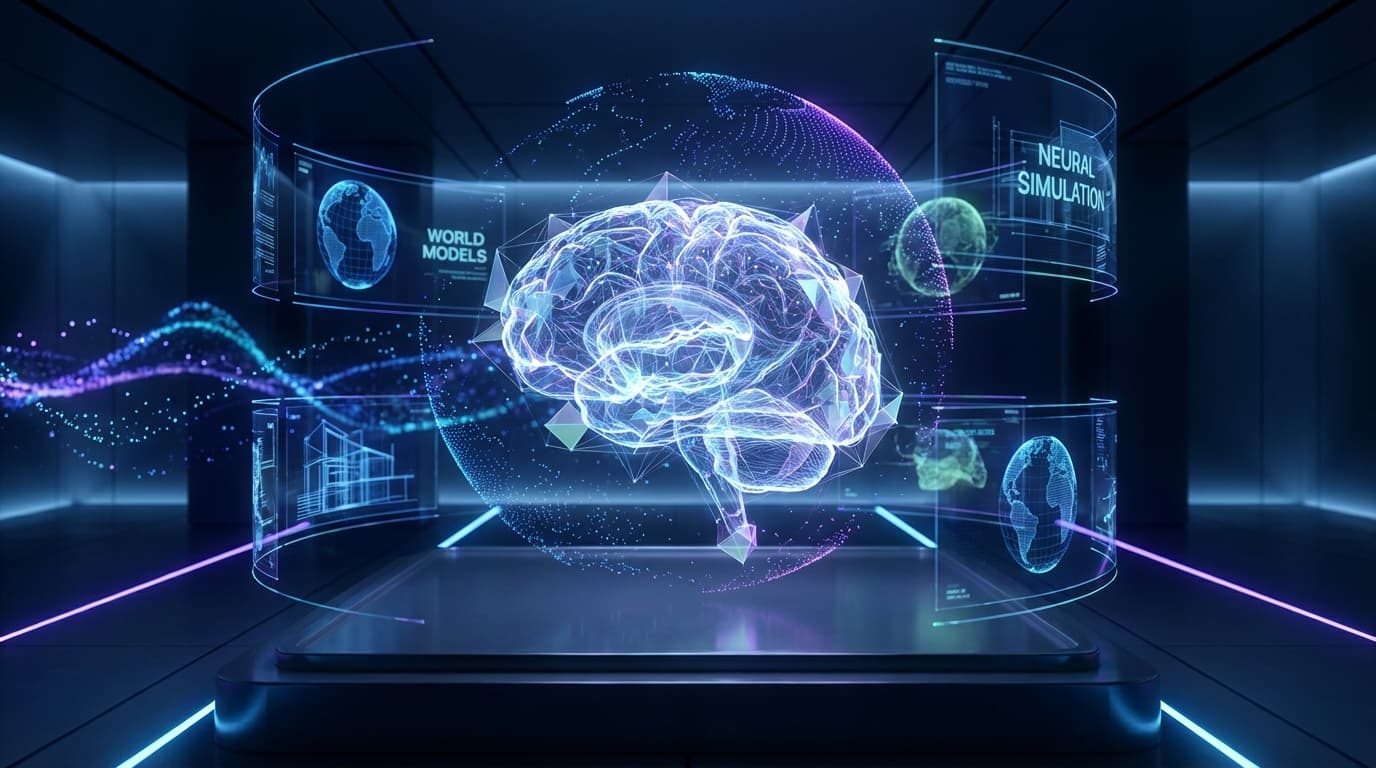
$3.5 Billion statymas
Kai žmogus, turintis LeCun kvalifikaciją, dar prieš veiklos pradžią pritraukia €500 million, esant €3 billion vertinimui, pramonė atkreipia dėmesį. AMI Labs (Advanced Machine Intelligence) oficialiai pradėjo veiklą 2026 m. sausį su paprasta, bet revoliucine teze: LLM yra aklavietė siekiant tikro intelekto.
LeCun tai kartoja jau daug metų, tačiau dabar savo karjerą jis stato už savo žodžius. AI-Pulse konferencijoje Paryžiuje jis neslėpė nuomonės: „Silicio slėnis yra visiškai užhipnotizuotas generatyvinių modelių. Tokį darbą reikia atlikti už Silicio slėnio ribų.“
Kodėl LLM nepakanka
Štai pagrindinis argumentas, ir jis stebėtinai paprastas. LLM numato kitą žetoną. Viskas. Jie nesupranta fizikos. Jie neišlaiko nuolatinės atminties tarp sesijų. Jie negali planuoti kelių žingsnių veiksmų realiame pasaulyje.
Numatomi kiti žetonai nesuprantant pasekmių. Haliucinuoja, nes neturi sąsajos su fizine tikrove. Atmintis iš naujo nustatoma kiekvieną sesiją.
Imituoja priežasties ir pasekmės ryšius. Mokosi iš vaizdo įrašų, garso ir jutiklių duomenų. Gali numatyti veiksmų rezultatus prieš juos atlikdami.
LeCun teigia, kad šis esminis apribojimas reiškia, jog LLM niekada nepasieks tokio kontekstinio supratimo, kurį žmonės laiko savaime suprantamu. Mažylis, niekada nematęs konkretaus objekto, vis tiek gali numatyti, kad jį numetus jis nukris. LLM, nepaisant to, kad yra mokomi visame internete, negali patikimai padaryti tokios išvados.
Kas iš tiesų yra pasaulio modeliai?
Jei stebite pasaulio modelių evoliuciją DI vaizdo įrašuose, jau matėte šios technologijos užuomazgas. Runway GWM-1 ir World Labs Marble yra ankstyvi bandymai kurti DI, suprantantį erdvinius ryšius ir fiziką.
Pasaulio modeliai mokosi iš vaizdo įrašų, garso ir jutiklių duomenų, kad sukurtų vidines simuliacijas, kaip veikia pasaulis. Užuot numatę kitą žodį, jie numato, kas toliau įvyks fizinėje erdvėje.
Tačiau AMI Labs žengia dar toliau. LeCun vizija nėra vien apie geresnį vaizdo įrašų generavimą, nors tai tikrai yra jos dalis. Ji skirta DI sistemoms, kurios gali:
- ✓Stebėti fizinę aplinką ir su ja sąveikauti
- ✓Prieš veikdamos simuliuoti scenarijus „kas būtų, jeigu“
- ✓Išlaikyti kontekstą atliekant sudėtingas kelių žingsnių užduotis
- ✓Perkelti žinias tarp skirtingų sričių
Įsivaizduokite tai kaip DI suteikiamą gebėjimą įsivaizduoti. Ne kūrybine, o prognozavimo prasme. Kas nutiks, jei paspausiu šį mygtuką? Kas nutiks, jei pasuksiu į kairę, o ne į dešinę? Kas nutiks, jei sumaišysiu šias dvi chemines medžiagas?
Pirmoji taikymo sritis: sveikatos priežiūra
AMI Labs nepradeda nuo robotikos ar autonominių transporto priemonių, nors jos akivaizdžiai numatytos veiksmų plane. Pirmasis diegimas vyks sveikatos priežiūros srityje, bendradarbiaujant su medicininės transkripcijos startuoliu Nabla, kurio generalinis direktorius Alex LeBrun dabar vadovauja AMI Labs.
DI agentai sveikatos priežiūrai
Pradinis produktas skirtas tvarkyti planavimą, dokumentavimą ir sąskaitų išrašymą, kartu išlaikant kontekstą per visą paciento priežiūros eigą, o tai dabartiniam DI kelia sunkumų.
Tai išmanus pozicionavimas. Sveikatos priežiūroje kyla didžiulės konteksto keitimo problemos. Paciento kelionė apima dešimtis sąlyčio taškų, kuriuos valdo skirtingos sistemos. Jei pasaulio modeliai gali išlaikyti nuoseklų supratimą per visą šią kelionę, tai įrodo, kad technologija veikia didelės rizikos aplinkoje.
Konkurencinė aplinka
AMI Labs žengia į perpildytą rinką, tačiau, ko gero, su patikimiausiu įkūrėju:
| Žaidėjas | Metodas | Dėmesio sritis |
|---|---|---|
| AMI Labs | Pasaulio modeliai | Sveikatos priežiūra, robotika, bendrasis DI |
| World Labs (Fei-Fei Li) | Erdvinis intelektas | 3D pasauliai, vaizdo įrašų supratimas |
| Google DeepMind | Hibridiniai metodai | Vaizdo įrašai, robotika, žaidimai |
| Wayve | Įkūnyti pasaulio modeliai | Autonominis vairavimas |
| Meta | „Mango“ modelis | Vaizdo įrašų generavimas |
LeCun metodą išskiria tai, kad jis aiškiai atmeta LLM mastelio didinimo hipotezę. Kol OpenAI ir Anthropic skiria išteklius tam, kad LLM būtų didesni, LeCun stato už architektūrines inovacijas. Jis mano, kad proveržį lems tai, kaip modeliai mokosi, o ne kiek parametrų jie turi.
Kodėl tai svarbu DI vaizdo įrašams
Mums, stebintiems DI vaizdo įrašų sritį, AMI Labs reiškia kažką svarbaus. Fizikos simuliacijos patobulinimai, kuriuos matėme naujausiuose modeliuose, yra maži žingsniai pasaulio modelių link.
Geresnė fizika vaizdo įrašų generavime skirta ne tik tikroviškesniam vandeniui ir audiniams. Ji susijusi su DI, kuris iš tikrųjų supranta, kaip veikia fizinis pasaulis, ir atveria kelią interaktyviam vaizdo įrašų redagavimui realiuoju laiku.
Įsivaizduokite, kad generuojate vaizdo įrašą ir galite pasakyti „dabar priversk veikėją pakelti tą objektą“, o DI teisingai imituoja tos sąveikos fiziką. Būtent ten mus nuveda pasaulio modeliai.
Tai jau matėme TurboDiffusion generavime realiuoju laiku ir Runway eksperimentuose su interaktyviais vaizdo įrašais. Tačiau tai vis dar iš esmės yra difuzijos modeliai su pridėta fizika. Tikrieji pasaulio modeliai apverstų paradigmą: pirmiausia fizika, paskui išvaizda.
Paryžiaus veiksnys
Viena detalė patraukė mano dėmesį: LeCun sąmoningai kuria AMI Labs už Silicio slėnio ribų, stipriai remdamasis Europa ir Paryžiumi.
Tam yra pragmatiška priežastis: Europos DI talentai yra pasaulinio lygio, tačiau Amerikos įmonės juos dažnai ignoruoja. Tačiau yra ir filosofinė priežastis. Panašu, kad LeCun mano, jog grupinis mąstymas apie LLM Bay Area regione yra toks stiprus, kad tikroms inovacijoms reikia geografinio atstumo.
„Silicio slėnis yra visiškai užhipnotizuotas generatyvinių modelių, todėl tokį darbą reikia atlikti už Silicio slėnio ribų, Paryžiuje.“
Europos DI tai yra patvirtinimas. Vienas labiausiai apdovanotų šios srities tyrėjų stato už tai, kad kitas proveržis įvyks čia, o ne Palo Alto.
Kas toliau
AMI Labs veiklą tik pradeda, tačiau pasekmės reikšmingos. Jei LeCun teisus, netrukus pamatysime paradigmos pokytį, kaip kuriamos DI sistemos.
Įkurta AMI Labs
LeCun palieka Meta, paskelbia apie startuolį, kurio vertinimas €3B
Oficialus startas
Įmonė pradeda veiklą, daugiausia dėmesio skirdama sveikatos priežiūrai
Plėtra
Robotika, autonominės sistemos ir platesnės pasaulio modelių taikymo sritys
Didžiausias klausimas yra laikas. Pasaulio modeliai teoriškai atrodo patrauklūs, tačiau ar jie gali pakankamai greitai pateikti praktiškus rezultatus, kad būtų svarbūs? LLM gali būti riboti, tačiau jie naudingi dabar. OpenAI ir Anthropic kuria imperijas, paremtas tuo naudingumu.
LeCun stato už tai, kad LLM riba yra žemesnė, nei žmonės mano, ir kad naudotojams ją pasiekus jie ieškos alternatyvų. AMI Labs nori būti pasirengusi.
Platesnis vaizdas
Šiame žingsnyje mane jaudina ne tik technologija. Jis parodo, ką tai reiškia DI tyrimų kultūrai. Per ilgai vyravo monokultūra, paremta transformerių architektūromis ir mąstymu, kad reikia tik mastelio. LeCun įkuriama AMI Labs yra ryškus alternatyvių metodų palaikymas.
Susijęs skaitymas: Daugiau apie tai, kaip pasaulio modeliai keičia DI vaizdo įrašus, rasite mūsų apžvalgose apie Runway GWM-1 ir World Labs Marble.
Nesvarbu, ar pasaulio modeliai pasirodys esantys kelias į AGI, ar ne, visiškas Yann LeCun įsipareigojimas šiam metodui reiškia, kad jis gaus rimtą ir gerai finansuojamą galimybę. Ir tai naudinga visiems, manantiems, kad DI tyrimams naudinga minčių įvairovė.
Bus įspūdinga stebėti ateinančius kelerius metus.
Šaltiniai

Kūrybinių technologijų specialistas iš Lozanos, tyrinėjantis DI ir meno susitikimo vietą. Tarp elektroninės muzikos sesijų eksperimentuoja su generatyviniais modeliais.
View profile →Patiko tai, ką perskaitėte?
Paverskite savo idėjas neribotos trukmės DI vaizdo įrašais per kelias minutes.
Susiję straipsniai
Tęskite pažintį su šiais susijusiais įrašais
Vaizdo kalbos modeliai: kita riba po LLM ir DI agentų
Pasaulio modeliai moko DI suprasti fizinę tikrovę, todėl robotai gali planuoti veiksmus ir simuliuoti rezultatus prieš pajudindami nors vieną pavarą.
Pasaulio modeliai už vaizdo ribų: kodėl žaidimai ir robotika yra tikrieji AGI įrodymo laukai
Nuo DeepMind Genie iki AMI Labs, pasaulio modeliai tyliai tampa dirbtinio intelekto, kuris iš tiesų supranta fiziką, pagrindu. $500B vertės žaidimų rinka gali būti vieta, kur jie pirmiausia tai įrodys.
Runway GWM-1: pasaulio modelis simuliuoja realybę realiuoju laiku
GWM-1 pereina nuo vaizdo įrašų generavimo prie pasaulio simuliacijos. Kurkite tyrinėjamas aplinkas, avatarus ir robotų mokymo duomenis.