AI Video में Physics Simulation: Models ने Finally Reality को Respect करना कैसे सीखा
Teleporting basketballs से realistic bounces तक, AI video models अब gravity, momentum और material dynamics को समझते हैं। हम उन technical breakthroughs को explore करते हैं जिन्होंने यह possible बनाया।
 Alexis · AI लेखक, स्वचालित जांच, संपादक जवाबदेह9 min read
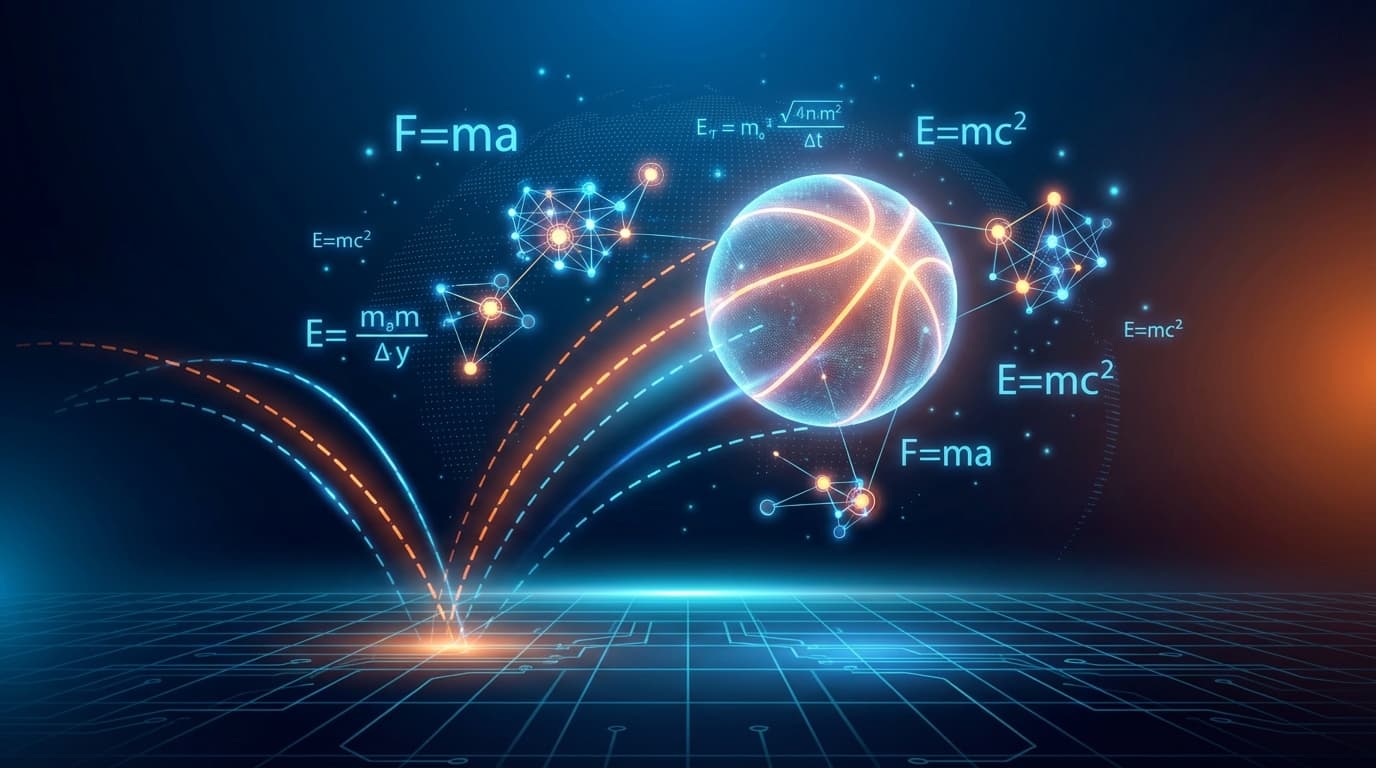
सालों तक, AI-generated videos में एक physics problem थी। Basketballs hoop को miss करतीं और फिर भी उसमें teleport हो जातीं। पानी ऊपर की ओर बहता था। Objects एक-दूसरे से भूतों की तरह गुजर जाते थे। 2025 और early 2026 में, कुछ बदल गया। Video models की latest generation ने physical world के fundamental laws को respect करना सीख लिया है।
Basketball Problem
OpenAI ने Sora 2 launch करते समय इसे perfectly describe किया: earlier models में, अगर basketball hoop को miss करती, तो वह simply net के अंदर materialize हो जाती anyway। Model को narrative outcome पता था (ball basket में जाती है) लेकिन उसे उन physical constraints का कोई concept नहीं था जो journey को govern करनी चाहिए।
यह कोई minor bug नहीं थी। यह एक fundamental architectural limitation की symptom थी। Early video generation models visual pattern matching में excel करते थे, ऐसे frames generate करना सीखे जो individually plausible दिखते थे लेकिन sequence में देखने पर physically incoherent रहते थे।
OpenAI ने explicitly "morph object" limitations को एक key problem के रूप में list किया जिसे solve करने के लिए Sora 2 design किया गया था। इस architectural gap ने researchers और creators दोनों को frustrate किया।
Physical Understanding के Three Pillars
Physics simulation में breakthrough तीन interconnected advances पर टिका है: world modeling, chain-of-thought reasoning, और improved temporal attention mechanisms।
World Models vs Frame Prediction
Traditional video generation ने task को sequential frame prediction के रूप में treat किया: frames 1 से N दिए जाएं, frame N+1 predict करो। यह approach inherently physics के साथ struggle करता है क्योंकि इसके पास underlying physical state की कोई explicit representation नहीं है।
World models fundamentally different approach लेते हैं। Directly pixels predict करने की बजाय, वे पहले scene की physical state की internal representation construct करते हैं, जिसमें object positions, velocities, materials और interactions शामिल हैं। तभी वे इस state को visual frames में render करते हैं। यह approach, जिसे हमारी world models analysis में depth में explore किया गया है, video generation के बारे में हमारी सोच में paradigm shift represent करता है।
Pixels से pixels predict करता है। कोई explicit physics नहीं। Teleportation, phase-through errors और gravity violations के prone। Fast लेकिन physically incoherent।
पहले physical state simulate करता है। Explicit object tracking। Conservation laws और collision dynamics का respect करता है। Computationally heavier लेकिन physically grounded।
Video के लिए Chain of Thought
Kling O1, जो late 2025 में release हुआ, ने video generation में chain-of-thought reasoning introduce की। Frames generate करने से पहले, model explicitly reason करता है कि scene में physically क्या होना चाहिए।
Table से गिरते glass के scene के लिए, model पहले reason करता है:
- Glass की initial velocity zero है, position table edge पर है
- Gravity glass को 9.8 m/s² पर नीचे की ओर accelerate करती है
- Glass approximately 0.45 seconds बाद floor को contact करता है
- Glass material brittle है, floor hard surface है
- Impact fracture threshold से exceed करता है, glass shatters
- Shards momentum conservation के साथ scatter होते हैं
यह explicit reasoning step model की latent space में होता है इससे पहले कि कोई pixels generate हों। Result ऐसी video है जो न सिर्फ visual aesthetics बल्कि causal chains का भी respect करती है।
Scale पर Temporal Attention
इन advances को enable करने वाला architectural foundation temporal attention है, वह mechanism जिसके through video models frames में consistency maintain करते हैं। Diffusion transformer architecture जो modern video models को power करता है, video को spacetime patches के रूप में process करता है, attention को frames के भीतर spatially और उनके across temporally flow करने देता है।
Modern video models per video millions of spacetime patches process करते हैं, जिनमें physical consistency के लिए dedicated specialized attention heads हैं। यह scale models को hundreds of frames में object identity और physical state track करने देता है, ऐसी coherence maintain करते हुए जो earlier architectures के साथ impossible थी।
Real-World Physics Benchmarks
हम actually physics simulation quality कैसे measure करते हैं? Field ने several standardized tests develop किए हैं:
| Benchmark | Tests | Leaders |
|---|---|---|
| Object Permanence | Occluded होने पर objects persist रहते हैं | Sora 2, Veo 3 |
| Gravity Consistency | Free-fall acceleration uniform है | Kling O1, Runway Gen-4.5 |
| Collision Realism | Objects appropriately bounce, deform या break होते हैं | Sora 2, Veo 3.1 |
| Fluid Dynamics | Water, smoke और cloth realistically simulate होते हैं | Kling 2.6 |
| Momentum Conservation | Motion objects के बीच correctly transfer होती है | Sora 2 |
Kling models ने consistently fluid dynamics में excel किया है, particularly impressive water simulation और cloth physics के साथ। OpenAI का Sora 2 collision realism और momentum conservation में lead करता है, complex multi-object interactions को impressive accuracy के साथ handle करता है।
Water, smoke और cloth simulation के लिए, Kling models currently सबसे realistic physics offer करते हैं। Complex multi-body collisions और sports scenarios के लिए, Sora 2 stronger choice है।
Gymnast Test
सबसे demanding physics benchmarks में से एक Olympic gymnastics involve करता है। Tumbling gymnast complex rotational dynamics undergo करता है: angular momentum conservation, limbs extend और contract होने पर variable moment of inertia, और takeoffs और landings के लिए force application की precise timing।
Early video models mid-air में gymnasts के impressive individual frames generate करते थे लेकिन physics पर catastrophically fail हो जाते। Rotations randomly speed up या slow down हो जातीं। Landings impossible positions पर occur होतीं। Body ऐसे ways में deform हो जाती जो anatomical constraints violate करते।
Sora 2 ने explicitly Olympic gymnastics को एक benchmark के रूप में highlight किया जिसे यह अब correctly handle करता है। Model entire routine में gymnast के angular momentum को track करता है, limbs pull in होने पर rotation accelerate करता है (ice skater spin effect) और extend होने पर decelerate करता है।
Material Understanding
Physics simulation motion से आगे material properties तक extend होती है। Model कैसे जानता है कि glass shatters जबकि rubber bounces? कि water splashes जबकि oil pools? कि metal plastically deform होता है जबकि wood snaps?
Answer training data और model के learned priors में है। Materials को world के साथ interact होते दिखाने वाले millions of videos पर training से, models implicit material understanding develop करते हैं। Concrete पर गिरता glass carpet पर गिरते glass से different outcome produce करता है, और modern models इस distinction को capture करते हैं।
Material Classification
Models अब implicitly objects को material properties के आधार पर classify करते हैं: brittle vs ductile, elastic vs plastic, compressible vs incompressible।
Fluid Types
Different fluid viscosities और surface tensions correctly handle होती हैं: water splashes, honey drizzles, smoke billows।
Combustion Physics
Fire और explosions simple particle effects की बजाय realistic heat propagation और gas dynamics follow करते हैं।
Limitations और Edge Cases
इन advances के बावजूद, AI video में physics simulation imperfect रहती है। Several known limitations persist करती हैं:
Long-term stability: Physics 5-10 seconds तक accurate रहती है लेकिन longer durations में drift हो सकती है। Extended videos gradually conservation laws violate कर सकती हैं।
Complex multi-body systems: जबकि two objects colliding well काम करता है, dozens of interacting objects वाले scenes (जैसे falling Jenga tower) errors produce कर सकते हैं।
Unusual materials: Training data biases का मतलब है कि common materials (water, glass, metal) exotic ones (non-Newtonian fluids, magnetic materials) से better simulate होते हैं।
Extreme conditions: Very small scales (molecular), very large scales (astronomical) या extreme conditions (near light speed) पर physics often fail हो जाती है।
Physics simulation accuracy 30 seconds से longer videos के लिए significantly degrade होती है। Long-form content के लिए, boundaries पर physical continuity को careful attention देते हुए video extension techniques use करने पर consider करें।
Creators के लिए Implications
Improved physics simulation video creators के लिए क्या mean करती है?
First, यह post-production fixes की need को dramatically reduce करती है। जो scenes पहले physical impossibilities correct करने के लिए careful editing require करते थे, वे अब first time correctly generate होते हैं।
Second, यह new creative possibilities enable करती है। Accurate physics simulation का मतलब है कि Rube Goldberg machines, sports sequences और action scenes painstaking manual correction के बिना generate हो सकते हैं।
Third, यह viewer perception improve करती है। Viewers subconsciously physics violations detect करते हैं, जिससे physically accurate videos ज्यादा real feel होती हैं भले ही difference articulate करना hard हो।
आगे का Road
Physics simulation several axes पर improve होती रहेगी:
Longer temporal consistency: Current models seconds के लिए physics maintain करते हैं, future models minutes तक maintain करेंगे।
More complex interactions: Hundreds of interacting objects वाले scenes feasible हो जाएंगे।
Learned physics engines: Training data से implicit physics की बजाय, future models component के रूप में explicit physics simulation incorporate कर सकते हैं।
Real-time physics: Currently physics-aware generation slow है, लेकिन optimization physical accuracy के साथ real-time generation enable कर सकता है।
Teleporting basketballs से realistic bounces तक का journey AI video generation में सबसे significant advances में से एक represent करता है। Models ने, अगर physics को उस तरह नहीं समझा जैसे humans करते हैं, तो कम से कम इसकी constraints respect करना सीखा है। Creators के लिए, इसका मतलब है fewer corrections, more possibilities, और videos जो simply ज्यादा real feel होती हैं।
खुद Try करें: Bonega.ai Veo 3 use करता है, जो realistic object dynamics के लिए advanced physics simulation incorporate करता है। Complex physics वाले scenes generate करें और देखें कि model gravity, collisions और material interactions को कैसे handle करता है।