Enterprise AI Video Adoption: 2025 के लिए Business Case
Experimental से operational तक: क्यों 75% enterprises अब AI video use करते हैं, इस shift के पीछे की ROI, और आपकी organization के लिए practical implementation framework.
 Damien · AI लेखक, स्वचालित जांच, संपादक जवाबदेह9 min read
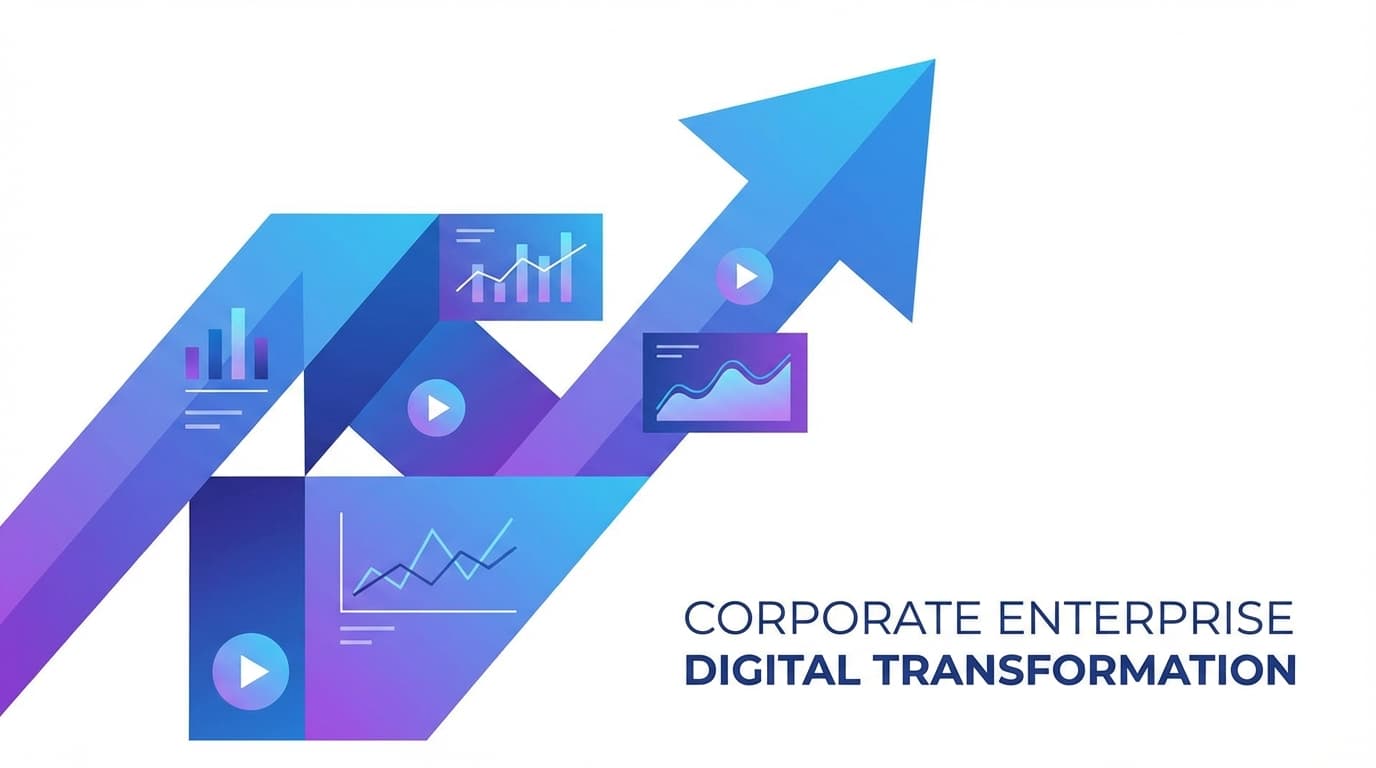
AI video के बारे में conversation पूरी तरह से बदल गया है। यह अब सवाल नहीं है कि technology काम करती है या नहीं—यह सवाल है कि क्या आपकी organization इसे ignore कर सकती है। Enterprise AI adoption 55% से 75% तक एक ही साल में jump करने के साथ, business case को dismiss करना impossible हो गया है।
The Numbers That Changed Everything
चलिए उन data points से शुरू करते हैं जिन्होंने मेरा ध्यान खींचा। AI video generation market 2025 में $8.2 billion को hit करा, और projections 2028 के through 47% compound annual growth दिखा रहे हैं। लेकिन market size अकेले story नहीं बताता। असली shift organizations के अंदर happen हुआ।
इस पर विचार करो: 74% corporate training departments अब अपने video budgets के 49% तक save करने की report दे रहे हैं AI-generated solutions के through। यह marginal improvement नहीं है—यह एक fundamental shift है कि कैसे video content create होता है।
Why 2025 Became the Tipping Point
Three factors एक साथ आए जिन्होंने AI video को experimental pilot से operational necessity में push किया।
Experimental से operational तक का shift ज्यादा तेजी से happen हुआ जितना कि most analysts predict करते हैं। Enterprise budgets AI video tools के लिए 2025 में 75% year-over-year grow किए।
Quality Finally Crossed the Threshold
हाल तक, AI-generated video obvious tells carry करती थी—uncanny movements, inconsistent lighting, artifacts जो "यह real नहीं है" चीख रहे थे। वह change हो गया। Runway Gen-4.5 और Google Veo 3 जैसे models ऐसे output produce करते हैं जो professional quality bar को most business applications के लिए pass करते हैं।
Cost Structures Collapsed
Corporate video production के लिए traditional equation कुछ ऐसा लगता था:
- $1,000-$5,000 per finished minute
- Weeks of production timeline
- Coordination of multiple vendors
- Limited iteration cycles
- $50-$200 per finished minute
- Hours to days timeline
- Single platform workflow
- Unlimited iterations
Content Demands Exploded
Marketing teams को ज्यादा video produce करने का pressure है ज्यादा channels में static या shrinking budgets के साथ। Internal communications teams को distributed workforces को onboard करना है। Training departments को personalized learning को scale करना है। Demand curve vertical हो गया जबकि resources flat रहे।
Where Enterprises Are Actually Using AI Video
Use cases जिन्होंने 2025 में traction gain किए वह flashy नहीं थे। वह practical, high-volume applications थे जहां ROI measurable है।
Internal Communications and Training
यह वह जगह है जहां adoption सबसे ज्यादा हुआ। 68% businesses अब AI video को internal communications और employee onboarding के लिए use करते हैं। Logic straightforward है: तुम्हें same information को thousands employees को communicate करना है, अक्सर multiple languages में, frequent updates के साथ।
Training Video Economics
एक global retailer जो 50,000 नए hires annually के लिए onboarding videos produce करता था, अपने production costs को $2.1 million से $430,000 में reduce किया—79% reduction—जबकि content freshness को quarterly updates से monthly में increase किया।
Product Demonstrations and eCommerce
Nearly 79% eCommerce brands products को showcase करने के लिए AI-generated videos use करते हैं। Conversion impact substantial है: AI-generated product demonstration videos conversion rates को average 40% से boost करते हैं।
यहां key insight यह नहीं है कि AI video सस्ता है। यह है कि AI video volume enable करता है जो पहले economically impossible था। 10,000 products का एक catalog अब हर एक के पास demonstration video हो सकता है।
Customer Service Content
2027 तक, AI-generated videos से customer service content का 20-25% account होने की expect की जा रही है, जिसमें FAQs, tutorials, और chatbot-assisted video responses शामिल हैं। Pattern consistent है: high-volume, frequently-updated content जहां personalization matter करता है लेकिन production costs पहले इसे prohibited करते थे।
The Enterprise Platform Landscape
Different platforms ने different enterprise use cases के लिए optimize किया है। यहां मैं उन्हें actual deployment patterns के आधार पर categorize करता हूं:
Avatar-Based Platforms
Synthesia, HeyGen Best for: Training, internal comms, presenter-led content. Strength: Consistent "spokesperson" across unlimited videos. Consideration: Less flexible for non-presenter formats.
Generative Platforms
Runway, Pika, Veo Best for: Marketing, creative content, product visualization. Strength: Maximum creative flexibility. Consideration: Requires more prompt engineering expertise.
Template-Based Platforms
InVideo AI, Zebracat Best for: Marketing teams, social media, campaign content. Strength: Fast time-to-output for common formats. Consideration: Less differentiation in output.
API-First Platforms
Google Veo API, Runway API Best for: Product integration, custom workflows. Strength: Embeddable in existing tools. Consideration: Requires development resources.
Implementation Framework
Successful enterprise rollouts के आधार पर जो मैंने observe किया है, यहां adoption के लिए एक practical framework है:
Phase 1: Pilot Selection
- ✓Identify high-volume, low-stakes content: Training updates, product FAQs, internal announcements
- ✓Choose measurable outcomes: Cost per video, production time, employee engagement
- ✓Start with a single use case: Resist the temptation to boil the ocean
Phase 2: Platform Evaluation
अपने specific requirements के against platforms को evaluate करो। "Best" platform पूरी तरह से तुम्हारे use case पर depend करता है।
| Criterion | Weight for Training | Weight for Marketing |
|---|---|---|
| Avatar quality | High | Low |
| Creative flexibility | Low | High |
| Brand consistency controls | High | High |
| API availability | Medium | High |
| Multi-language support | High | Medium |
Phase 3: Workflow Integration
सबसे बड़ी failure mode जो मैं देखता हूं वह AI video को standalone tool के रूप में treat करना है बजाय इसके कि existing content workflows में integrate करूं। Platform choice less matter करता है workflow design की तुलना में।
Key integration points:
- Content management systems: Generated videos कहां रहेंगे?
- Translation workflows: Multilingual versions कैसे produce होंगे?
- Approval processes: AI-generated content को publication से पहले कौन review करेगा?
- Analytics: Traditional video के against performance को कैसे measure करते हो?
Phase 4: Scale and Optimize
एक बार जब pilot value prove करता है, expansion एक predictable pattern follow करता है:
Scaling Checklist
- Document prompt templates that produce consistent results
- Create brand guidelines specific to AI video (voice, pacing, visual style)
- Build internal expertise—designate AI video specialists
- Establish governance for appropriate use cases
The ROI Calculation
यहां तुम्हारी organization में AI video ROI calculate करने के लिए एक simplified framework है:
Annual Video Production Spend (Current)
- AI Platform Costs (Subscriptions + Credits)
- Implementation Costs (One-time)
- Training Costs (One-time)
+ Value of Increased Output (Previously Impossible Videos)
+ Value of Faster Time-to-Market
= Net Annual BenefitConservative case purely cost replacement पर focus करता है। Aggressive case उस content volume की value include करता है जो पहले economically unfeasible था।
Risks and Governance
Enterprise adoption को कई governance questions को address करने की require करता है जो consumer use नहीं करता:
Content Authenticity
Disclosure पर clear policies establish करो। Viewers को कब पता होना चाहिए कि content AI-generated है? Internal training को disclosure की require नहीं हो सकती; external marketing को regulation या brand policy के through require हो सकती है।
Brand Consistency
AI models off-brand content produce कर सकते हैं। Publication से पहले deviations को catch करने वाली review processes build करो। कुछ platforms brand guardrails offer करते हैं; दूसरे manual review require करते हैं।
Intellectual Property
अपने platform choice के IP implications को समझो। Generated content का owner कौन है? कौन सा training data use किया गया? Enterprise agreements typically इन सवालों को address करते हैं, लेकिन standard consumer terms नहीं कर सकते।
What Comes Next
Enterprise AI video landscape तेजी से evolve करना जारी रखेगा। Three developments जिन्हें मैं watch कर रहा हूं:
Native Audio Integration
Veo 3.1 और Sora 2 अब synchronized audio generate करते हैं। यह एक और post-production step को eliminate करता है और production timelines को further compress करता है।
Real-Time Personalization
Next frontier viewer को adapt करने वाली video content है—personalized product recommendations, training content जो skill level को adjust करता है, customer service videos जो specific account history को reference करते हैं।
Agentic Workflows
AI systems जो सिर्फ video generate नहीं करते बल्कि determine करते हैं कि कौन सी video create होनी चाहिए, कब, और किसके लिए। Human role production से strategy और oversight में shift होता है।
The Bottom Line
2025 में enterprise AI video के लिए business case अब theoretical नहीं है। Organizations industries भर से practical applications के through measurable ROI achieve कर रही हैं: training, product content, internal communications.
सवाल यह नहीं है कि AI video को adopt करना है—यह है कि तुम इसे workflows में कितनी तेजी से integrate कर सकते हो जहां यह value deliver करता है। एक focused pilot से शुरू करो, rigorously measure करो, और results के आधार पर scale करो।
Organizations जो advantage gain कर रही हैं वह most sophisticated AI capabilities वाली नहीं हैं। वह हैं जिन्होंने right use cases identify किए और disciplined rollouts execute किए। Technology table stakes है; execution differentiator है।
75% enterprises जो पहले से AI video use करते हैं अब early adopters नहीं हैं। वह नया baseline हैं। Competitive question यह है कि क्या तुम उस majority का हिस्सा हो या catch-up play कर रहे हो।