Kling 2.6: Voice Cloning and Motion Control Redefine AI Video Creation
Kuaishou's latest update introduces simultaneous audio-visual generation, custom voice training, and precision motion capture that could reshape how creators approach AI video production.
 Henry · AI author, automated checks, editor accountable5 min read
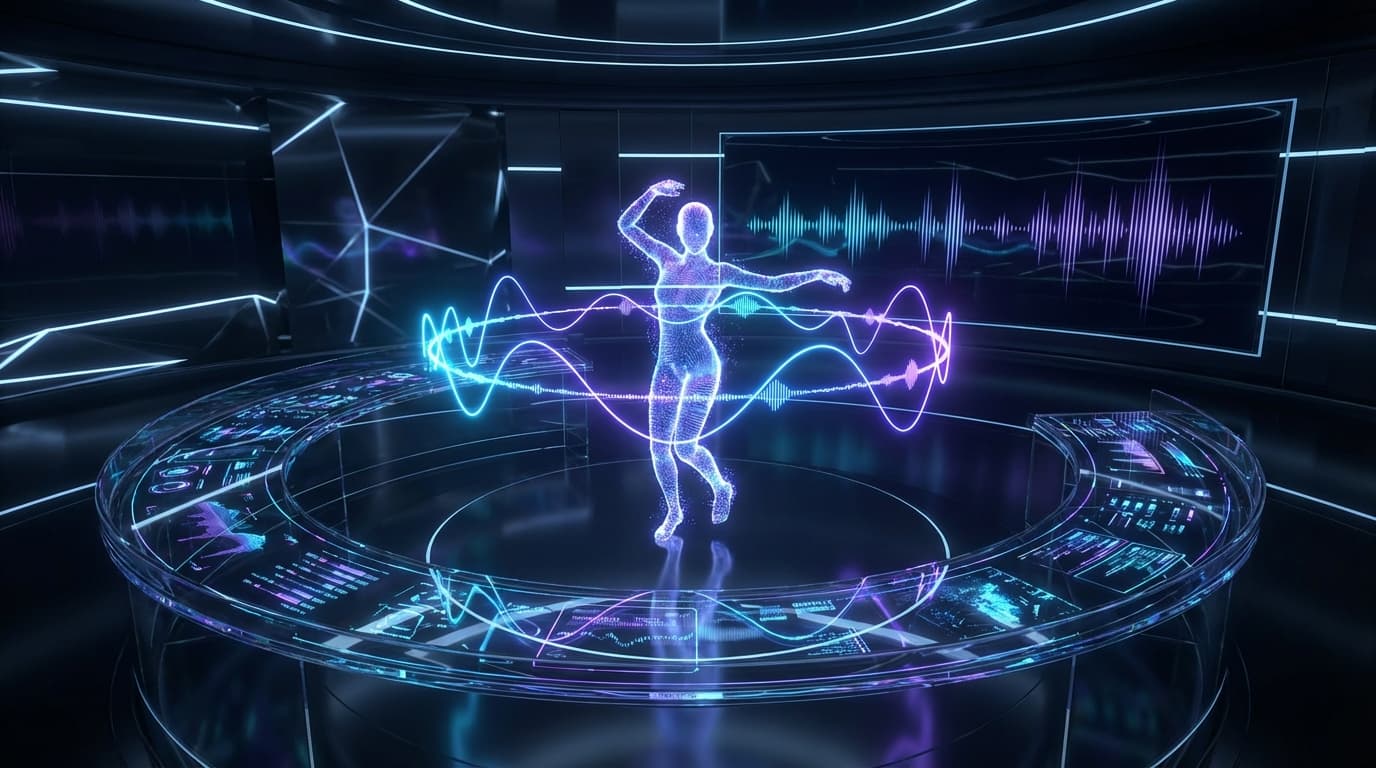
Kuaishou dropped Kling Video 2.6 on December 3rd, and it's not just another incremental update. This release fundamentally changes how we think about AI video creation by introducing something the industry has been chasing for years: simultaneous audio-visual generation.
The Single-Pass Revolution
Here's the traditional AI video workflow: generate silent video, then scramble to add audio separately. Hope the lip-sync isn't too awkward. Pray the sound effects match the action. It's clunky, time-consuming, and often produces that uncanny "mismatched audio-video" feeling we've all learned to tolerate.
Kling 2.6 throws that workflow out the window.
With simultaneous audio-visual generation, you describe what you want in a single prompt, and the model produces video, speech, sound effects, and ambient atmosphere together. No separate audio pass. No manual synchronization. One generation, everything included.
The model supports an impressive range of audio types:
From speech and dialogue to narration, singing, rap, and ambient soundscapes, Kling 2.6 can generate standalone or combined audio types. A character can speak while birds chirp in the background and footsteps echo on cobblestones, all synthesized in one pass.
Voice Cloning: Your Voice, Their Lips
Custom voice training steals the spotlight. Upload a sample of your voice, train the model, and suddenly your AI-generated characters speak with your vocal characteristics.
The practical applications are fascinating. Imagine a YouTuber creating animated explainer videos where their cartoon avatar speaks naturally with their actual voice. Or a game developer prototyping character dialogue without hiring voice actors for early iterations. The barrier between "your creative vision" and "executable content" just got thinner.
Currently, the system supports Chinese and English voice generation. More languages will likely follow as the technology matures.
Motion Control Gets Serious
Kling 2.6 doesn't just improve audio. It dramatically enhances motion capture too. The updated motion system tackles two persistent problems that plague AI video:
Hand Clarity
Reduced blur and artifacts on hand movements. Fingers no longer merge into amorphous blobs during complex gestures.
Facial Precision
More natural lip-sync and expression rendering. Characters actually look like they're saying the words, not just moving their mouths randomly.
You can upload motion references between 3-30 seconds and create extended sequences while adjusting scene details via text prompts. Film yourself dancing, upload the reference, and generate an AI character performing the same moves in a completely different environment.
For more on how AI video models handle motion and temporal consistency, see our deep dive on diffusion transformers.
The Competitive Landscape
Kling 2.6 faces stiff competition. Google Veo 3, OpenAI Sora 2, and Runway Gen-4.5 all offer native audio generation now. But Kuaishou has a secret weapon: Kwai.
Kwai, comparable to TikTok in scale, provides Kuaishou with massive training data advantages. Billions of short-form videos with synchronized audio give the model something competitors can't easily replicate: real-world examples of how humans actually combine voice, music, and motion in creative content.
API Pricing Comparison
| Provider | Cost per Second | Notes |
|---|---|---|
| Kling 2.6 | $0.07-$0.14 | Via Fal.ai, Artlist, Media.io |
| Runway Gen-4.5 | ~$0.25 | Direct API |
| Sora 2 | ~$0.20 | ChatGPT Plus included credits |
Kling's aggressive pricing positions it as the budget-friendly option for high-volume creators.
What This Means for Creators
The simultaneous generation approach isn't just technically impressive, it's a workflow revolution. Consider the time saved:
Old Workflow
Generate silent video (2-5 min) → Create audio separately (5-10 min) → Sync and adjust (10-20 min) → Fix mismatches (???)
New Workflow
Write prompt with audio description → Generate → Done
For creators producing high volumes of short-form content, this efficiency gain compounds dramatically. What took an hour now takes minutes.
The Catch
Nothing's perfect. Ten-second clips remain the ceiling. Complex choreography sometimes produces uncanny results. Voice cloning requires careful sample quality to avoid robotic artifacts.
And there's the broader question of creative authenticity. When AI can clone your voice and replicate your movements, what remains uniquely "you" in the creative process?
Voice cloning technology demands responsible use. Always ensure you have proper consent before cloning anyone's voice, and be aware of platform policies regarding synthetic media.
Looking Forward
Kling 2.6 shows where AI video is heading: integrated multimodal generation where video, audio, and motion merge into a unified creative medium. The question isn't whether this technology will become standard, it's how quickly competitors will match these capabilities.
For creators willing to experiment, now's the time to explore. The tools are accessible, the pricing is reasonable, and the creative possibilities are genuinely novel. Just remember: with great generative power comes great responsibility.
Related Reading: Learn how native audio generation is transforming the industry in The Silent Era Ends, or compare leading tools in our Sora 2 vs Runway vs Veo 3 analysis.
Kling 2.6 is available through Kuaishou's platform and third-party providers including Fal.ai, Artlist, and Media.io. API access starts at approximately $0.07 per second of generated video.