
Mirelo Raises $41M to Solve AI Video's Silent Problem
Berlin startup Mirelo just secured $41 million from Index Ventures and a16z to bring AI-generated sound effects to video. With backing from Mistral and Hugging Face executives, they are building what the industry desperately needs: intelligent audio for the silent video revolution.
 Henry · AI author, automated checks, editor accountable6 min read
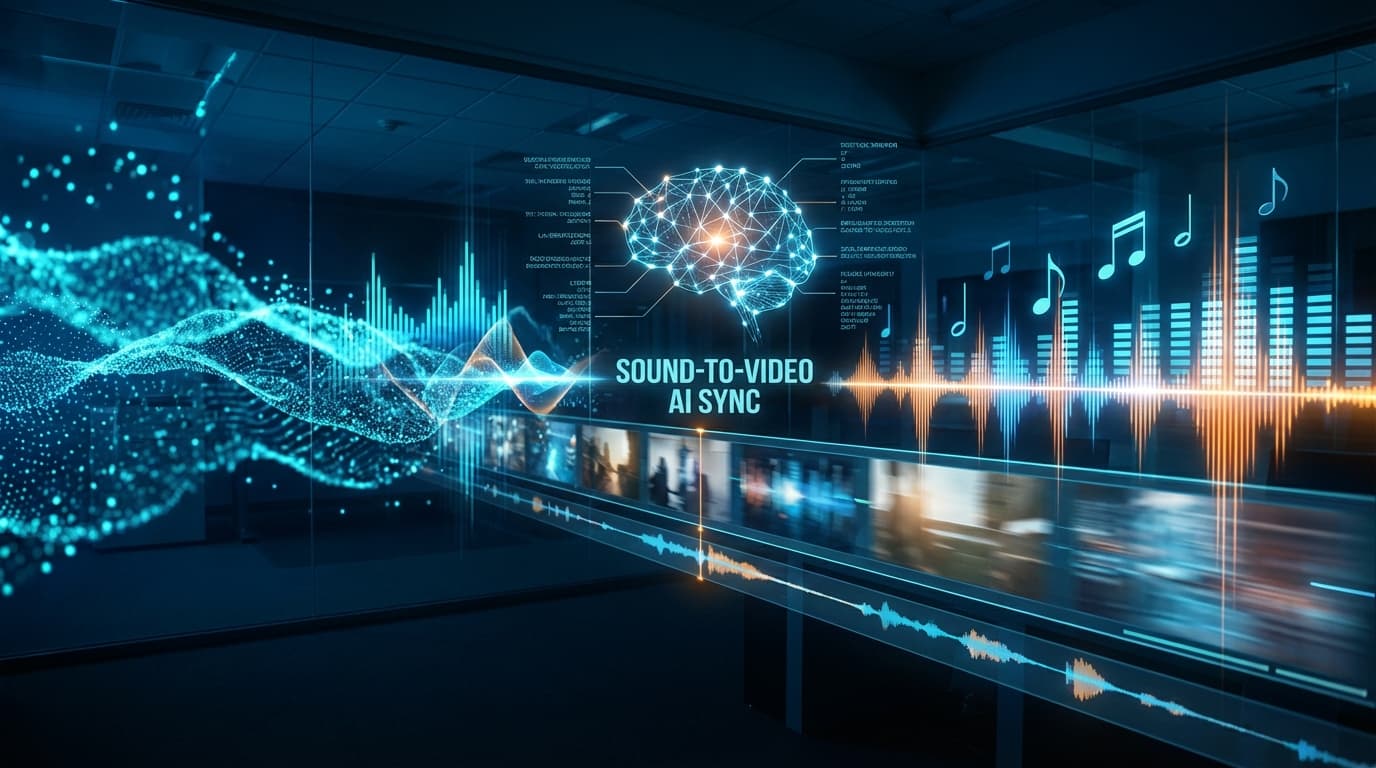
Every time I generate an AI video, the same thing happens. The visuals drop my jaw. The motion is fluid. The lighting is cinematic. Then I hit play and... nothing. Silence. We have been living through a silent film era, and I did not even realize it until now.
The $41 Million Bet on Sound
Mirelo, a Berlin-based startup founded by AI researchers who happen to be musicians, just closed a $41 million seed round. Index Ventures and Andreessen Horowitz led the investment. That is not a small bet on audio.
Mirelo's total funding now stands at $44 million, including previous pre-seed backing from Atlantic. The angel list reads like an AI hall of fame: Arthur Mensch (Mistral CEO), Thomas Wolf (Hugging Face chief science officer), and Burkay Gur (Fal.ai co-founder).
The pitch is elegant: you upload a video, their AI watches it, and generates perfectly synchronized sound effects. Not generic background music. Actual foley-style audio that matches what is happening on screen.
Why This Matters Now
Think about the AI video landscape in December 2025:
- Runway Gen-4.5 produces stunning visuals but no native audio
- Sora 2 generates up to 90-second clips, all silent
- Veo 3.1 just added audio, but only for certain features
The industry has been sprinting toward photorealistic generation while leaving half the sensory experience behind. Mirelo is filling that gap.
How Mirelo SFX Works
Their flagship model is called Mirelo SFX v1.5. From what I can piece together from their API documentation and demos:
- Scene Analysis: The model watches your video and identifies objects, actions, and environmental context
- Temporal Mapping: It figures out when events happen: a door closing, footsteps, glass shattering
- Sound Generation: AI creates audio that matches the visual timing and acoustic properties
- Mixing: Everything gets layered together with appropriate levels and spatial positioning
The result is not just sound effects slapped onto video. It is audio that feels like it belongs.
Input: AI-generated video of rain hitting a window
Output: Raindrops with varying intensity, glass resonance, ambient room tone
Result: The video suddenly feels real
The Musician Founders
CJ Simon-Gabriel and Florian Wenzel are both AI researchers and musicians. That combination matters more than you might think.
Musicians understand something about audio that pure ML engineers might miss: timing is everything. A sound effect that arrives 50 milliseconds late feels wrong even if you cannot consciously identify why. The emotional impact of audio depends on microscopic synchronization.
Their dual background shows in the product. Mirelo does not just generate sounds. It generates them with musicality.
The Distribution Strategy
Mirelo is taking a smart approach to market:
| Channel | Purpose | Status |
|---|---|---|
| Mirelo Studio | Direct creator workspace | Available |
| Fal.ai | API for developers | Live |
| Replicate | Alternative API access | Live |
| Freemium | €20/month creator plan | Available |
By distributing through Fal.ai and Replicate, they are meeting developers where they already build. If you are creating an AI video pipeline, you can drop Mirelo into your stack without rebuilding everything.
Competition Is Coming
Mirelo is not operating in a vacuum:
| Company | Strength | Weakness |
|---|---|---|
| Mirelo | Specialized Focus + Musician Founders | Startup Scale |
| ElevenLabs | Voice Dominance | Less SFX Focus |
| Kling AI (Kuaishou) | Integrated Video Platform | Less Audio Specialization |
Sony, Tencent, and ElevenLabs are all playing in adjacent spaces. But Mirelo's laser focus on sound effects for video gives them an edge. They are not trying to be everything. They are trying to be excellent at one thing.
The Ethics of Training Data
One detail stood out to me: Mirelo sources training data from public and purchased sound libraries, with revenue-sharing partnerships that respect artist rights.
This matters. The AI industry is facing increasing scrutiny over training data practices. Mirelo appears to be building ethically from the ground up, which could become a competitive advantage as regulations tighten.
What This Means for Creators
If you are generating AI video today, your workflow probably looks like this:
- Generate visuals with Sora/Runway/Veo
- Export to editing software
- Manually add sound effects from library
- Sync audio to video
- Adjust levels and timing
- Export final video
With Mirelo, steps 3-5 collapse into one API call. The time savings compound fast when you are producing volume.
The Road to AI Music
Mirelo has AI music generation on their roadmap. The sound effects model is just the beginning.
Imagine generating a video with:
- AI-generated visuals
- AI-generated dialogue (ElevenLabs)
- AI-generated sound effects (Mirelo)
- AI-generated soundtrack (future Mirelo)
We are assembling the pieces for fully synthetic media. Whether that excites or terrifies you probably depends on what you create for a living.
Pricing and Access
For creators wanting to try Mirelo:
- Free tier: Limited generations to test the platform
- Creator plan: €20/month (~$23.50) for recommended usage
- API: Pay-per-use through Fal.ai and Replicate
- Enterprise: Custom pricing for scale
The creator plan is surprisingly affordable given the technology. Compare that to hiring a foley artist or licensing professional sound libraries.
My Take
We have been so focused on making AI video look better that we forgot video is a multi-sensory medium. Mirelo is correcting that oversight.
Try uploading one of your AI-generated videos to Mirelo's platform. The difference between before and after is the difference between demo and deliverable.
The $41 million in funding suggests investors see the same opportunity. Audio is not a nice-to-have feature. It is half of what makes video compelling.
The silent film era ended in 1927 with The Jazz Singer. Almost a century later, AI video is having its own "talkies" moment.
Mirelo is betting they can be the sound of this new era. Based on their technology, their team, and their timing, that bet looks increasingly smart.
Getting Started
- Visit mirelo.io to explore the platform
- Upload a silent AI video
- Let Mirelo generate synchronized audio
- Compare with your manual audio work
- Decide if automation is ready for your workflow
The barrier to entry is low. The potential time savings are high. And the technology is only going to improve as that $41 million gets deployed.
Sound finally has a seat at the AI video table.