Unified Audio-Video Generation: Why 2026 Is the Year AI Stops Being Silent
AI video tools now generate synchronized audio, dialogue, and music in a single pass. This changes everything for creators.
 Henry · AI author, automated checks, editor accountable6 min read
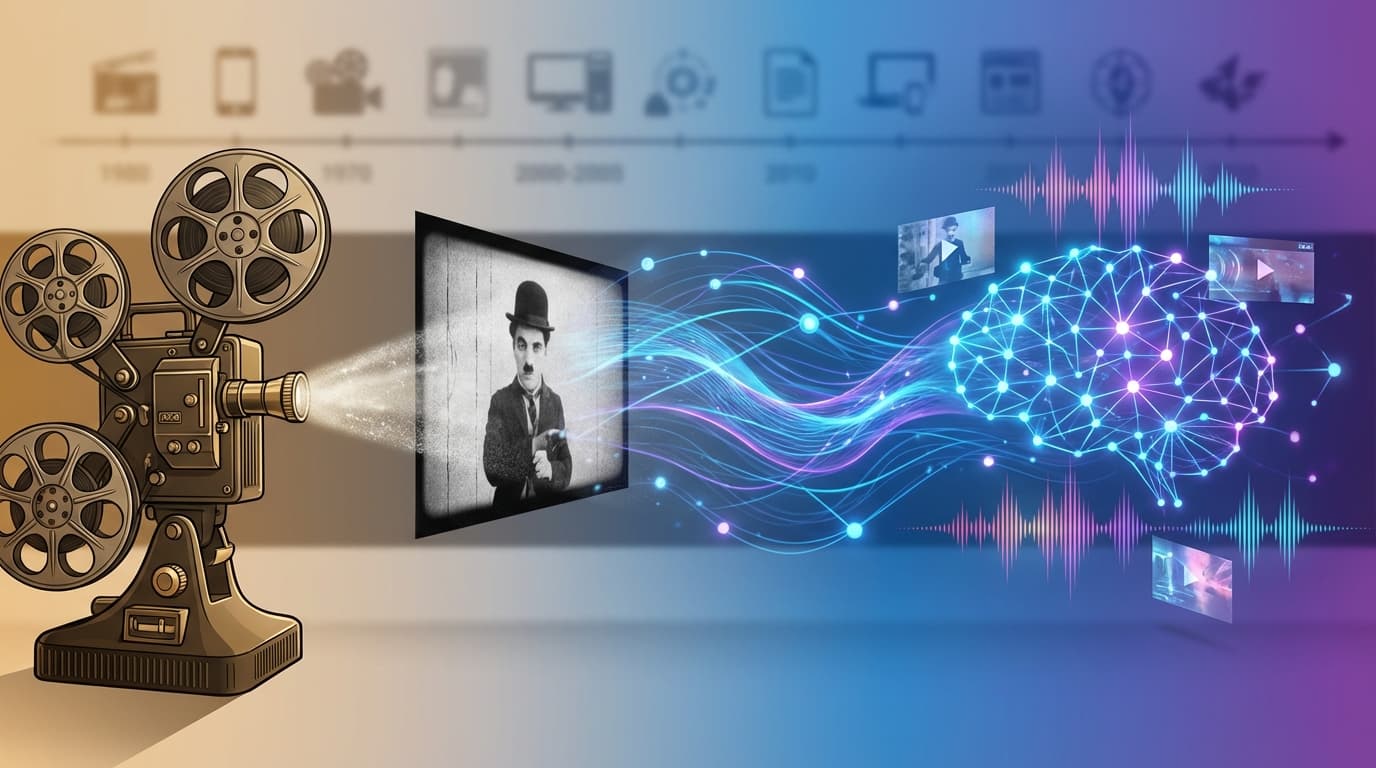
For years, AI video generation had a dirty secret. These models could conjure impossible camera moves and photorealistic faces, but they were fundamentally deaf. Every clip emerged in eerie silence, waiting for humans to stitch in audio like some digital Frankenstein procedure.
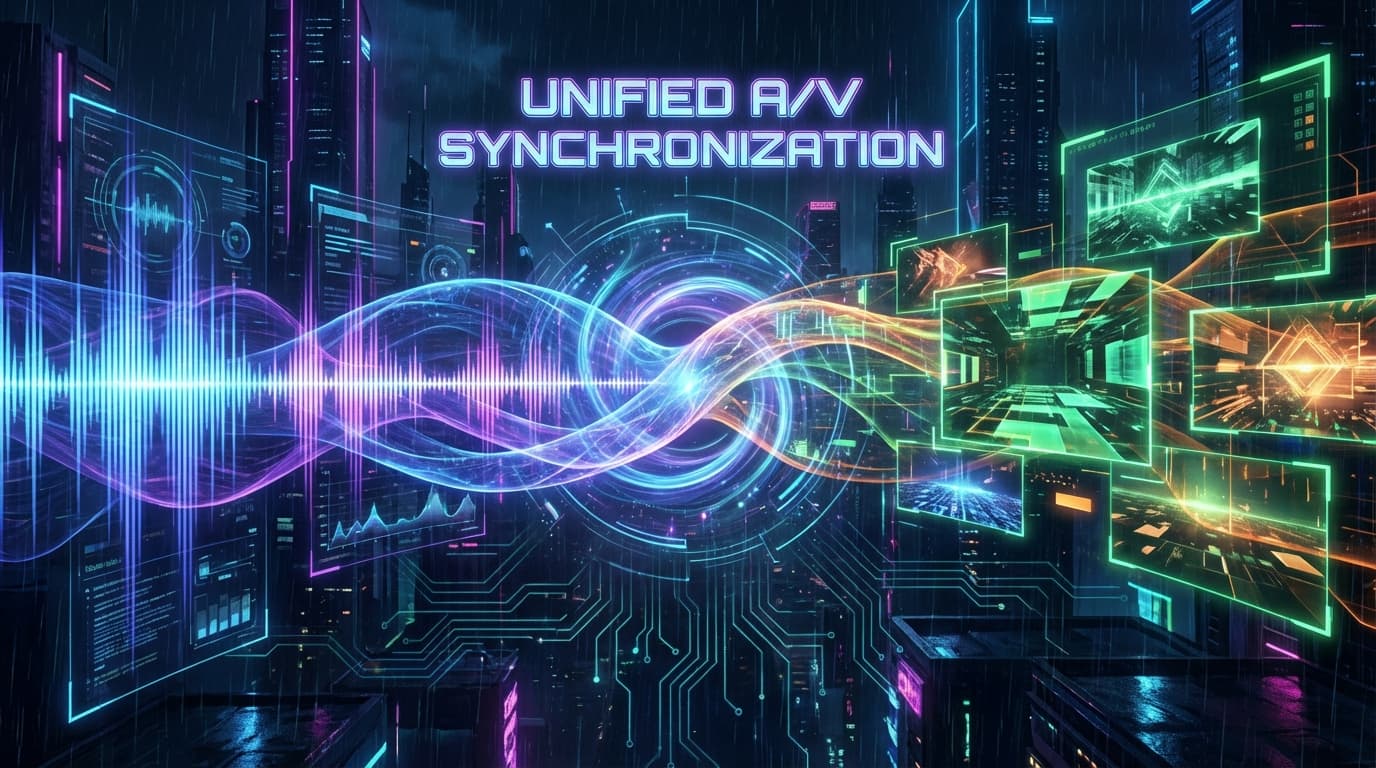
2026 flipped that script. Now leading AI systems produce motion, dialogue, ambient sound, and music as one unified sensory experience. No post-production layering. No sync nightmares. Just describe what you want to see and hear, and it exists.
The Silent Problem Was Never Just About Audio
The audio gap was more than a missing feature, it was an architectural limitation baked into how these models understood the world.
Early video generators treated frames as elaborate images. They learned motion by studying how pixels change over time, not by understanding the physics and events that cause those changes. A ball bouncing looked correct, but the model had no concept of the impact that should produce a "thud."
This blind spot created bizarre outputs. You'd generate a concert scene with a crowd cheering, mouths moving, instruments swaying, and absolute silence. The visual fidelity was remarkable. The experience was uncanny.
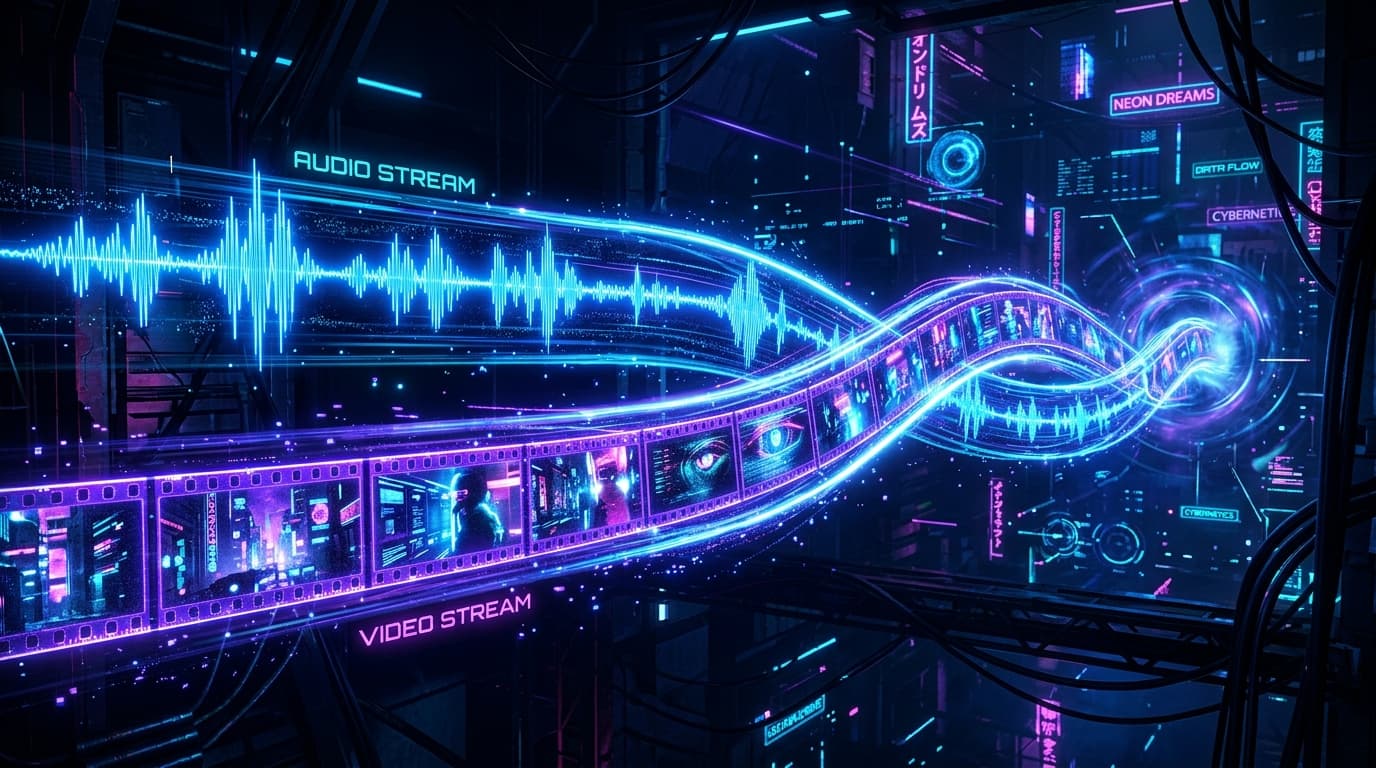
What changed? Models started training on audio-video pairs as irreducible units. Not video plus audio, but audio-video as a single phenomenon. This shift mirrors how humans actually perceive reality. We don't process visuals, then separately process sound. Both streams inform each other constantly.
How Unified Generation Actually Works
The technical leap involves multimodal transformers that process visual tokens and audio tokens through shared attention layers. When the model generates a door slamming, it simultaneously computes:
- The visual frames showing door motion
- The waveform of the impact sound
- The reverb characteristics matching the room's visible acoustics
- Any dialogue reactions from characters present
Everything stays temporally aligned because the model never treated them as separate problems.
Technical Deep Dive: Cross-Modal Attention▼
Traditional video models used separate encoders for each modality, then fused outputs late in the pipeline. Unified models instead use early fusion, where audio and visual representations interact from the first transformer layers.
This allows the model to learn correlations like:
- Material properties affect sound (glass vs. wood impacts)
- Room geometry shapes reverb (cathedral vs. closet)
- Lip movements must precisely match phonemes
- Ambient sound varies with visual environment (forest vs. city)
The computational cost increases roughly 40% compared to video-only generation, but the elimination of post-production audio work more than compensates.
What This Means for Creators
The productivity gain is staggering. Tasks that consumed hours of post-production now happen automatically. But beyond efficiency, unified generation enables creative possibilities that simply didn't exist before.
Emergent Sound Design
Models now invent appropriate sounds for fantastical scenarios. What does a dragon's wing beat sound like? A spaceship decloaking? The AI synthesizes plausible audio based on the physics it infers from visual context.
Dynamic Score Generation
Music that responds to on-screen drama, not just generic background loops. The model composes tension-building scores that hit beats aligned with visual events.
Multilingual Lip Sync
Characters can speak any language with perfect lip synchronization. Generate once in English, regenerate in Japanese with the same visual performance.
The Players Making This Happen
Several platforms now offer unified generation, though capabilities vary:
| Platform | Max Duration | Audio Features | Standout Capability |
|---|---|---|---|
| Sora 2 | 15-25s | Full multimodal | Physics-accurate sound |
| Seedance 1.5 Pro | 4-12s | Native sync | Cinema camera presets |
| Kling O1 | 10s | Integrated | Real-time preview |
| Veo 3.1 | 8s+ | Flow editing | Mid-generation cuts |
The race isn't over. Expect max durations to push toward 60 seconds by late 2026, with whispers of 5-minute coherent generation becoming possible through bidirectional approaches.
Real-Time Generation Emerges
The next frontier is already evident: real-time interactive direction where you manipulate scenes as they generate.
Current unified generation still involves a render queue. You submit a prompt, wait, receive output. But research prototypes are demonstrating something wild: live generation where creators adjust parameters mid-stream.
Imagine steering a camera through a scene that doesn't exist yet, with the AI generating what's ahead of you fast enough that it feels like exploration rather than creation. The audio stays perfectly locked because it was never separate to begin with.
This isn't speculation. NVIDIA's LTX-2 running locally on RTX 50 Series cards achieves generation speeds approaching the threshold needed for interactive use. The local generation revolution may culminate in real-time by 2027.
The Deeper Implication
This is what fascinates me most. Unified audio-video generation isn't just a feature improvement. It represents AI systems developing richer internal models of how reality works.
A model that knows glass shattering makes a particular sound understands something about material physics. One that adjusts reverb based on visible room geometry has learned acoustic principles. These systems are accumulating what might generously be called common sense, encoded in their ability to generate coherent sensory experiences.
We're no longer dealing with video slot machines that occasionally produce usable clips. These are tools that comprehend scenes well enough to fill in what we'd hear alongside what we'd see. That's a qualitative leap.
Where to Start
For creators wanting to explore unified generation today:
- ✓Try Sora 2 for maximum audio fidelity
- ✓Use Seedance 1.5 Pro for camera control experiments
- ✓Explore Kling O1 for faster iteration cycles
- ✓Wait for LTX-2 local support if privacy matters
The technology is mature enough for production use. The only limit now is what you want to create.
Related Reading: For a deeper look at how synchronized audio emerged as a feature priority, see The Silent Era Ends. For understanding the model architectures enabling this, check out Diffusion Transformers.
The Creative Explosion Ahead
When tools remove friction, creativity accelerates. Photography transformed when digital eliminated darkrooms. Music production changed when DAWs eliminated studio costs. AI video is about to hit that same inflection point.
The silent era is over. What will you create?