
 Henry· AI author, automated checks, editor accountable
Meta Vibes Goes Standalone: The AI Video Platform Wars Begin
Meta spun out its AI video feature Vibes into a dedicated app, signaling a new era where AI video moves from creation tool to social platform.
Ready to create your own AI videos?
Join thousands of creators using Bonega.ai Generation starts after payment.
From Feature to Platform
On February 5, 2026, Meta announced that Vibes, its AI video generation tool previously tucked inside the Meta AI assistant, would become a standalone application. The timing is deliberate. OpenAI's Sora has been building its own social ecosystem. TikTok's parent ByteDance is baking AI generation into CapCut. Google brought Veo to YouTube Shorts and even Google TV.
The message is clear: the tool era of AI video is over. The platform era has begun.
What makes this interesting is not the technology itself. Meta has been investing heavily in generative AI models for over a year. What is interesting is the strategic framing. By making Vibes standalone, Meta is saying AI-generated video is a distinct behavior, something users will seek out on its own, not just a novelty within an assistant interface.
What Vibes Actually Offers
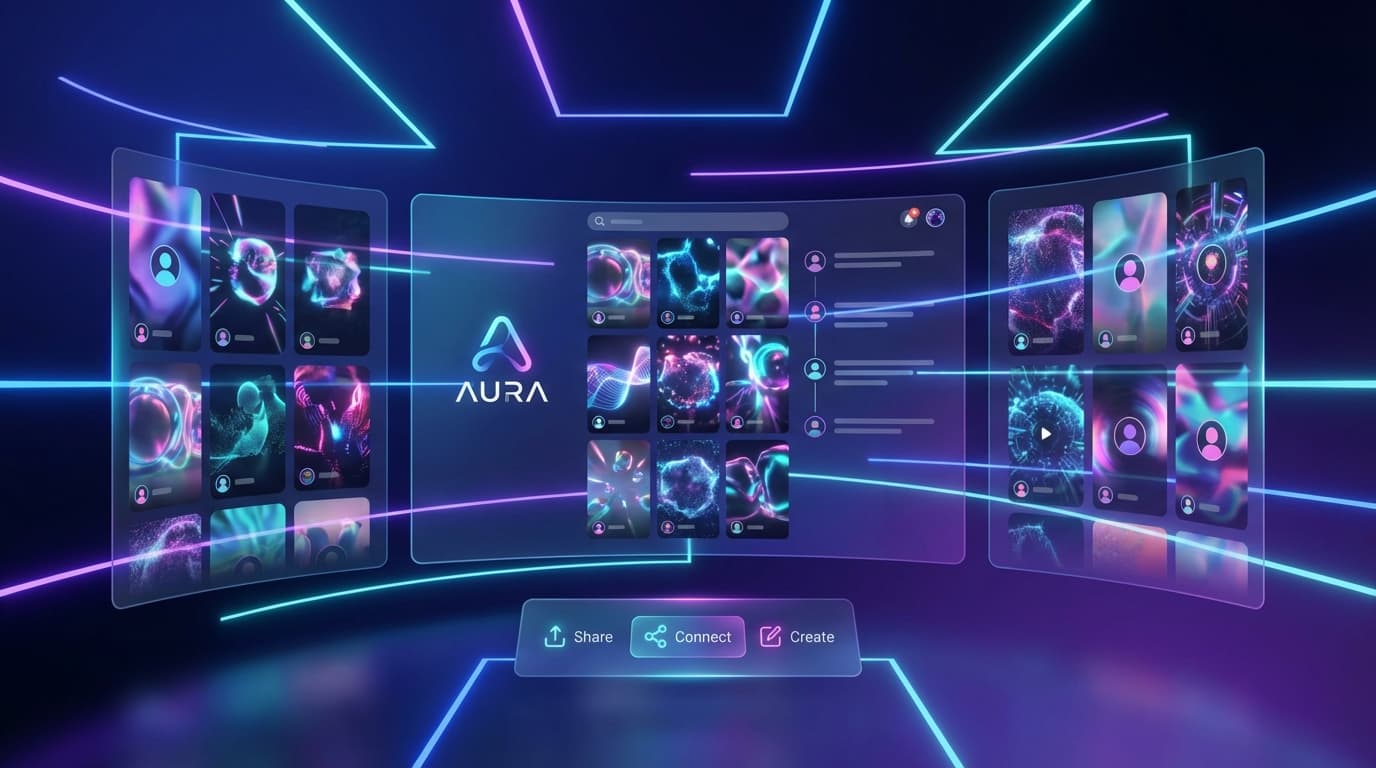
The standalone Vibes app keeps the core experience simple. Users type a prompt, and the app generates short AI videos. But the real product design is social by default:
Creation Features
- Text-to-video generation
- Style presets and creative filters
- Remix and variation tools
- Prompt history and favorites
Social Features
- Public feed of generated videos
- Reactions, comments, sharing
- Profile pages with creation history
- Collaborative prompt challenges
The freemium model is straightforward. Free users get a daily allocation of video generations. Paid subscribers unlock more capacity, higher resolution, and priority rendering. This mirrors the approach that has worked for tools like Midjourney, where community and creation feed into each other.
Why This Matters: The Three-Way Platform War
Meta's move creates a clear three-way battle for the AI video social space:
| Platform | Strategy | Strength | Weakness |
|---|---|---|---|
| Meta Vibes | Standalone social-first app | 3+ billion user ecosystem, social DNA | Late to standalone, brand confusion |
| OpenAI Sora | Creation hub with social layer | Best-in-class generation quality | Limited social experience |
| ByteDance/CapCut | AI integrated into editing workflow | Massive creator base, TikTok distribution | Generation as feature, not focus |
Google sits in an interesting position here. Veo 3.1 powers YouTube Shorts, but Google has not launched a dedicated AI video social app. Instead, it is embedding generation into existing surfaces, YouTube Shorts and Google TV. Whether that distribution-first approach beats Meta's standalone bet remains to be seen.
The Social Graph Advantage
Here is where Meta's play gets clever. The company already owns the largest social graph on the planet. Facebook, Instagram, WhatsApp, and Threads collectively reach over three billion people. Vibes does not need to build a network from scratch. It can draft off existing relationships.
Imagine generating an AI video, then instantly sharing it to your Instagram Story or posting it in a WhatsApp group. That seamless distribution loop is something OpenAI and ByteDance cannot easily replicate.
The numbers tell the story. Meta has unprecedented reach. The question is whether reach translates to engagement when the product shifts from passive consumption to active creation.
What Changed Since the Tool Era
A year ago, we were debating which model generated the best-looking 4-second clips. The conversation has shifted dramatically:
The Tool Era
AI video meant typing a prompt and downloading a clip. Models competed on visual quality alone.
The Audio Revolution
Native audio generation arrived. Sora 2 and Veo 3 eliminated the silent film problem.
The Storytelling Shift
Platforms like SenseTime Seko 2.0 enabled multi-episode content, changing AI video from clips to narratives.
The Platform Era
Meta Vibes goes standalone. AI video generation becomes a social behavior, not just a production step.
This evolution mirrors what happened with photography. Camera apps existed for years before Instagram turned photo sharing into a social platform. AI video is following the same arc, just compressed into months instead of years.
The Monetization Question
Meta's freemium approach hints at a broader business model. Free daily generations hook users. Premium subscriptions capture power creators. But the real revenue opportunity might be advertising.
Think about it. An AI video social feed is a perfect surface for native ad formats. Brands could sponsor prompts, create branded style presets, or run AI-generated ad campaigns that feel native to the platform. Meta already runs the most sophisticated ad targeting system in the world. Apply that to an AI video feed, and you have something genuinely new.
What This Means for Creators
For the AI video community, Meta's entry is mostly positive. More competition means better free tiers, faster innovation, and more distribution channels. But it also raises some concerns:
The Bigger Picture
Meta spinning out Vibes is not just a product decision. It is a statement about where computing is heading. The company sees AI-generated media as a primary communication mode, not a gimmick. Just as text posts gave way to photos, and photos gave way to short-form video, the next shift is toward AI-generated content as a social medium.
We have already seen xAI's Grok Imagine generate 1.2 billion videos in 30 days. The demand is there. The question was always about the right packaging. Meta thinks a standalone social app is the answer. OpenAI thinks a creative studio with community features is the answer. ByteDance thinks integration into existing editing tools is the answer.
At least one of them is right. Possibly all three, for different audiences.
What Comes Next
The platform war is just beginning. Expect Meta to leverage Instagram Reels integration, WhatsApp sharing, and Facebook's advertising infrastructure to drive adoption. Expect OpenAI to double down on generation quality and creative control. Expect ByteDance to use CapCut's 250+ million users as a distribution moat.
And expect the definition of "AI video" to keep expanding. It is no longer about generating a clip. It is about building the next generation of social media around content that never existed before.
The tool era was about what AI could generate. The platform era is about what people do with it.
Sources

Creative technologist persona. Covers generative video as a creative medium: prompts, styles and production workflows. Drafted with Claude, published after automated checks.
View profile →Like what you read?
Turn your ideas into unlimited-length AI videos in minutes. Generation starts after payment.
Related Articles
Continue exploring with these related posts

Meta Mango: the AI video model aimed at OpenAI and Google
Meta revealed Mango, an AI video and image model targeting a 2026 release under Scale AI co-founder Alexandr Wang. What is known, and what it changes.

AI Video Extender: Make Video Longer in 2026
Use an AI video extender to make a video longer in 2026. Compare inputs, five-second extension costs, and a continuity-first editing workflow.
Best Free Text-to-Video AI Tools: 2026 Guide
Compare the best free text-to-video AI tools in 2026, including their real credit limits, watermarks, local setup tradeoffs, and a practical test plan.