From DeepMind Genie to AMI Labs, world models are quietly becoming the foundation for AI that truly understands physics. The $500B gaming market may be where they prove themselves first.
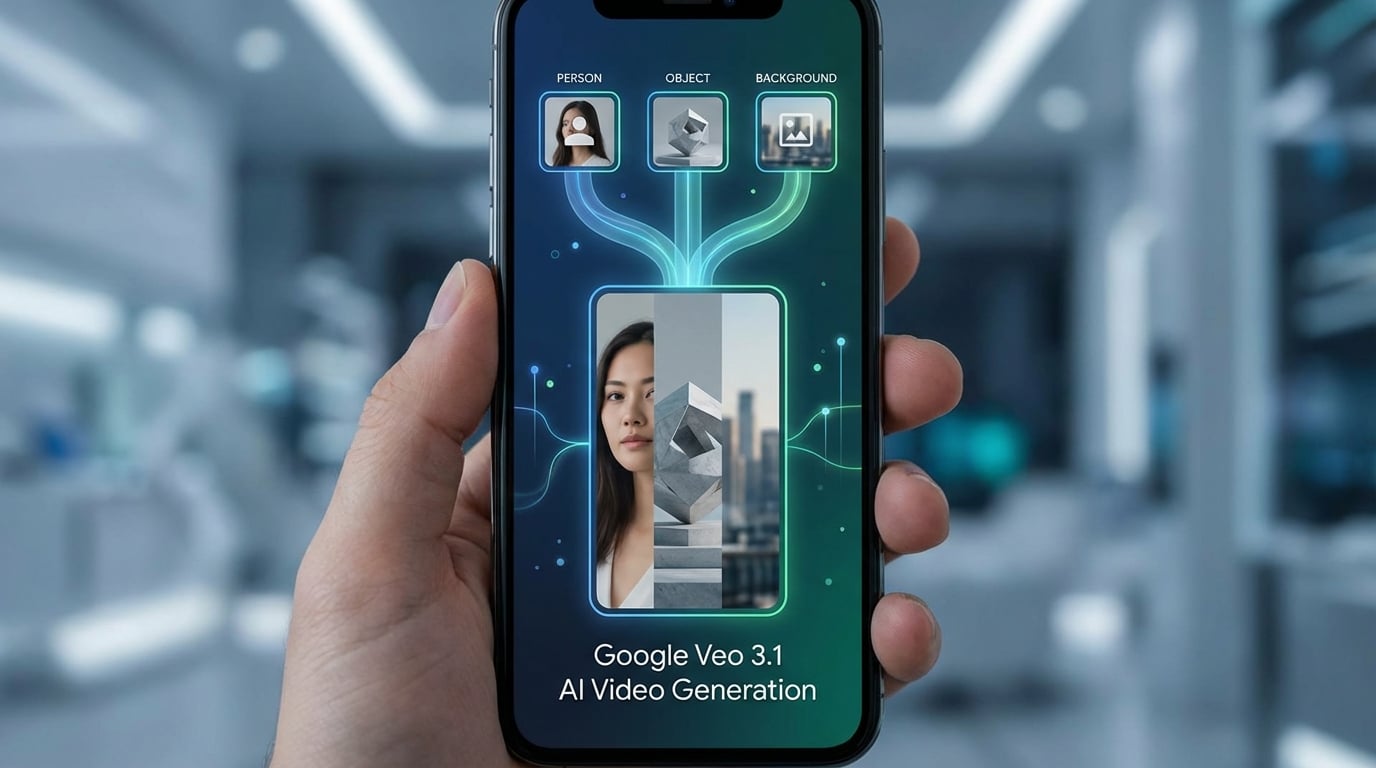
Google brings Ingredients to Video directly to YouTube Shorts and YouTube Create, letting creators turn up to three images into cohesive vertical videos with native 4K upscaling.
Synthesia raised $200 million at a $4 billion valuation with backing from NVIDIA and Alphabet, signaling a major shift from AI video generation to AI video agents.
Three tech giants are reshaping video creation with billion-dollar deals, breakthrough features, and 60 million users. Here is how the competition is accelerating innovation.
Free unlimited AI video tools are usually queue-based or local. Compare real queue, credit, hardware, and licence limits before planning a 2026 workflow.
Runway partners with NVIDIA to run Gen-4.5 on the next-generation Rubin platform, setting new benchmarks for AI video quality, speed, and native audio generation.
Alibaba-backed PixVerse unveils R1, the first world model capable of generating 1080p video that responds instantly to user input, opening doors to infinite gaming and interactive cinema.
With 7 of the top 8 AI video models now coming from Chinese companies, we examine how Kuaishou's Kling AI reached 60 million users and what this shift means for the industry.
Adobe releases its browser-based video editor in public beta with Prompt to Edit, 4K upscaling via Topaz Astra, and multi-track timeline. AI video editing just got real.
With $200 million ARR and 4.5 million daily video generations, Higgsfield is proving that AI video has moved from experiment to essential marketing infrastructure.
The AI video market has split wide open. While premium tools charge $200+/month, budget-friendly options now deliver remarkable quality for a fraction of the cost. Here is what you actually get at each price tier.
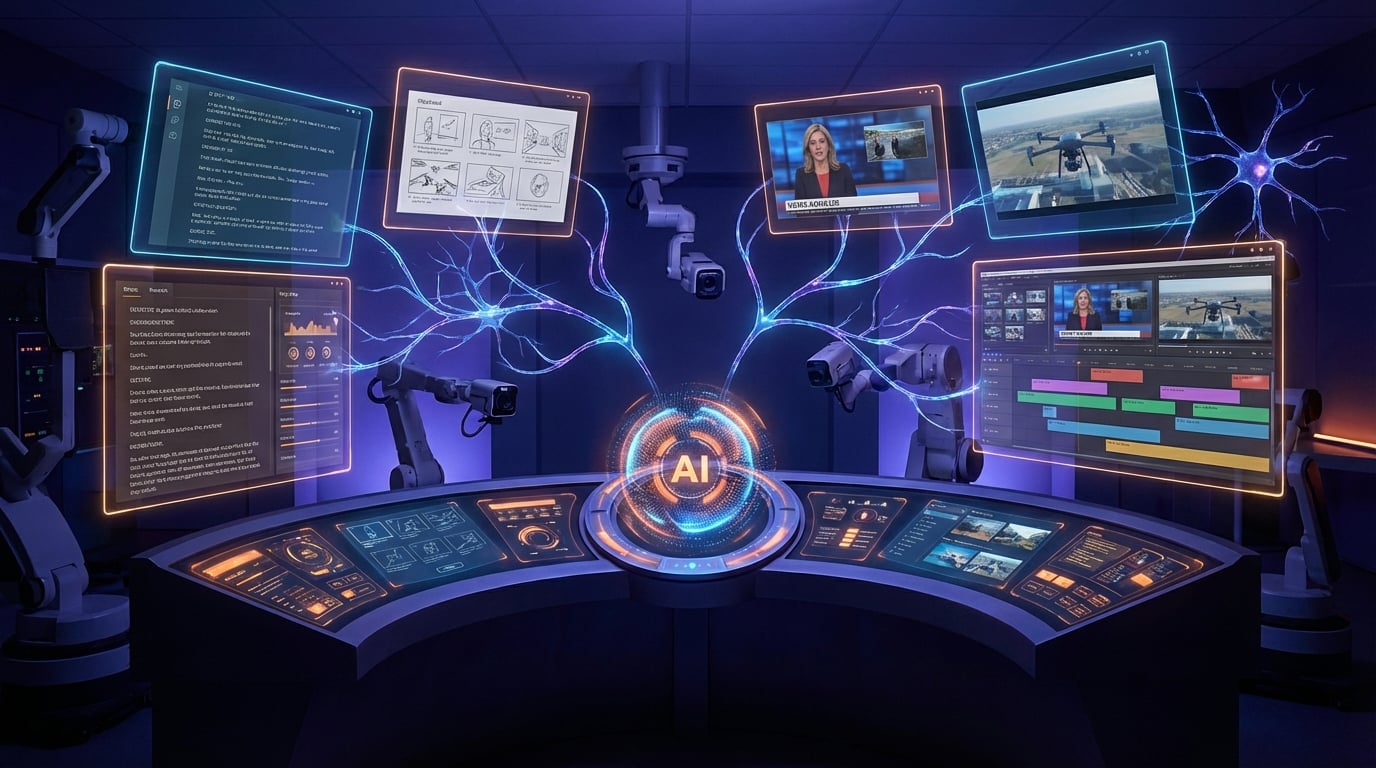
MiniMax's Video Agent Beta represents a paradigm shift from prompt-based generation to autonomous video production, where AI handles the entire creative workflow from ideation to final edit.
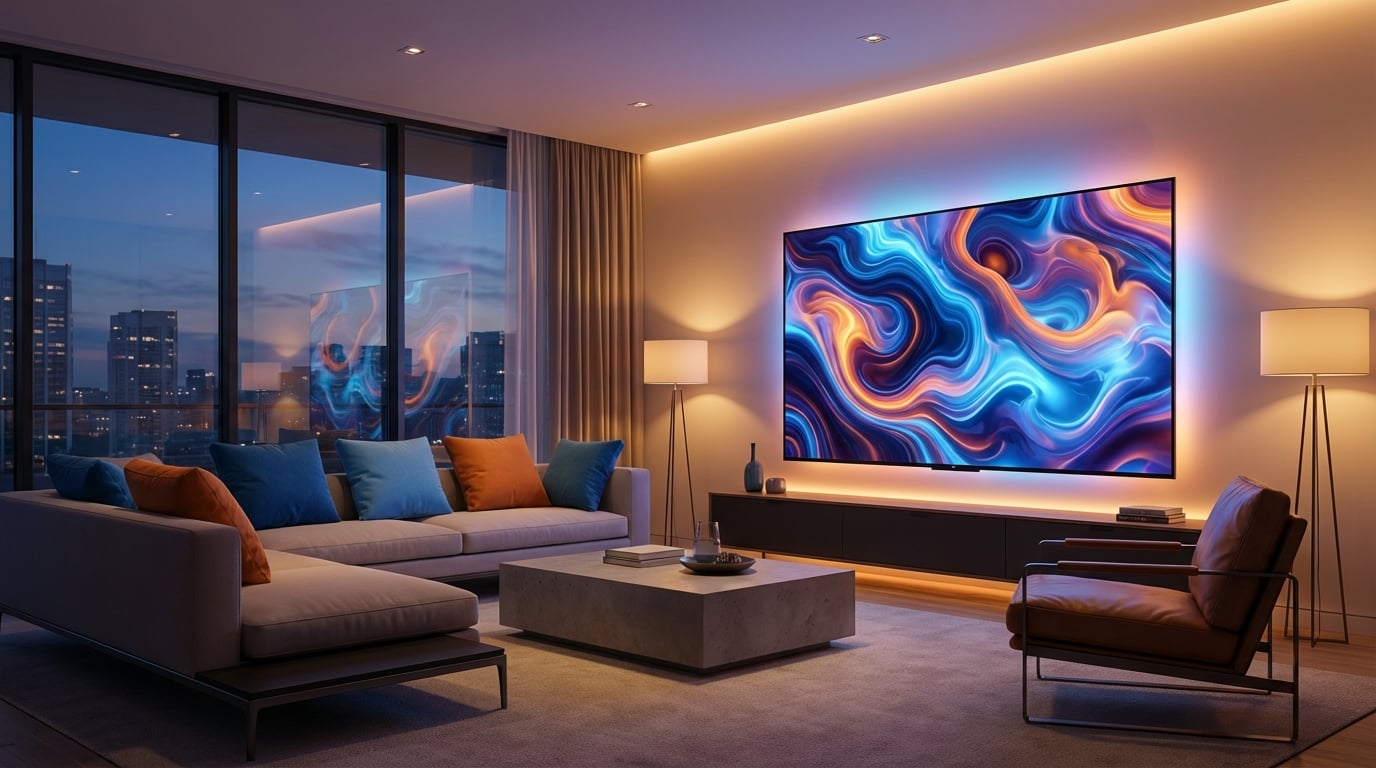
Google brings Veo AI video generation to Google TV at CES 2026, making it possible to create 8-second videos with native audio directly from your television. The consumer AI revolution starts now.
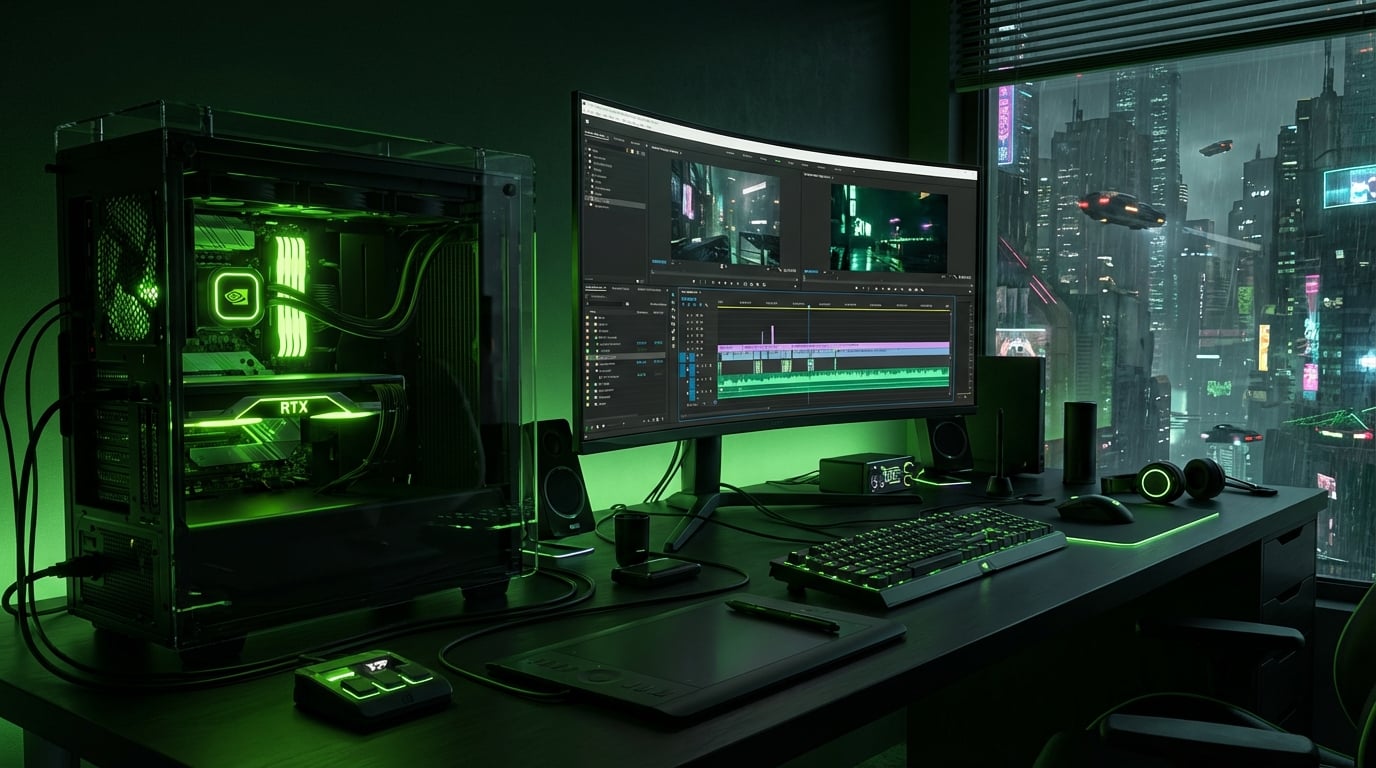
NVIDIA announces RTX-powered 4K AI video generation at CES 2026, bringing professional-grade capabilities to consumer GPUs with 3x faster rendering and 60% less VRAM.
The Turing Award winner launches AMI Labs, a new startup focused on world models rather than LLMs, targeting robotics, healthcare, and video understanding.
From teleporting basketballs to realistic bounces, AI video models now understand gravity, momentum and material dynamics. We explore the breakthroughs.
From real-time interactive generation to AI-native cinematic language, here are five predictions for how AI video will transform creative workflows in 2026.
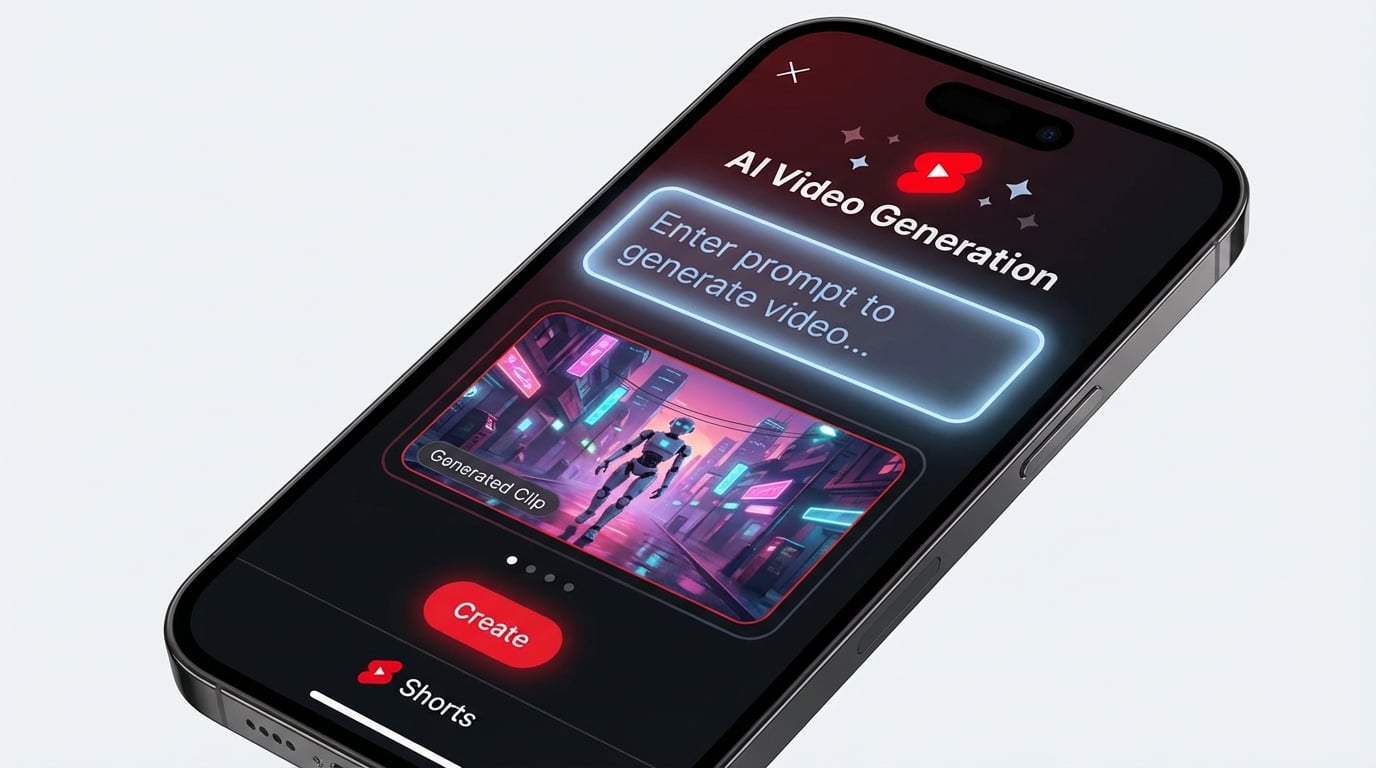
Google integrates its Veo 3 Fast model directly into YouTube Shorts, offering free text-to-video generation with audio for creators worldwide. Here is what it means for the platform and AI video accessibility.
MiniMax's Hailuo 02 delivers competitive video quality at a fraction of the cost, with 10 videos for the price of one Veo 3 clip. Here is what makes this Chinese challenger worth watching.
Kuaishou's latest update introduces simultaneous audio-visual generation, custom voice training, and precision motion capture that could reshape how creators approach AI video production.
AI pioneer Fei-Fei Li launches Marble, a commercial platform that generates explorable 3D worlds from text and images, marking a new frontier in spatial AI.